





OXD is transforming Energy Savings Program to better serve BC citizens

A row of colourful houses with a white fence lining the street in British Columbia

The Ministry of Energy and Climate Solutions needed to bring their Energy Savings Program in-house for greater control and improved citizen experience. They needed to transition from a vendor-controlled system to a government-owned solution that ensured: digital infrastructure sustainability, service continuity, cost management, adherence to government standards, and better connecting their portfolio services through a design system.

The CleanBC Energy Savings Program, originally launched in 2024 and funded by the province, provides enhanced rebates to qualified BC residents making energy-efficient home upgrades—a critical initiative in the province’s climate action strategy. Previously administered through a third-party vendor using proprietary digital tools, the Ministry wanted more control over the service experience, design, and content. They needed a partner who could bridge technical requirements with exceptional user experience design while navigating the complexities of government digital transformation.

Building on our successful collaboration on the BC Home Energy Planner, the Ministry engaged OXD to provide service design and user experience / user interface design expertise for this important service transition.

Our multidisciplinary team of service designers, UX specialists, and visual designers approached this project with both innovation and pragmatism:

Strategic service design: What initially appeared to be a straightforward adaptation of the Building Permit Hub (as part of our BC Home Energy Planner work) revealed deeper complexities in the user journey. Through careful analysis and stakeholder engagement, our team identified critical differences between permit applications and rebate programs—ensuring the solution truly meets user needs rather than simply replicating existing patterns.

User-centred decision making: Our team conducted user research in collaboration with the CleanBC Digital Experience (DX) team with real users of the application system. By bringing citizen voices into the conversation, we established clear direction that balanced policy objectives with user needs.

Process optimization: Our advisors implemented structured collaboration frameworks that clarified roles, streamlined decision-making, and accelerated delivery timelines.

The result will be a comprehensive digital solution with three interconnected journeys:

  1. Participant journey: A streamlined process for homeowners to check eligibility, apply for rebates, and track applications—all integrated with BC Services Card for secure authentication.
  2. Administrative journey: Efficient backend systems for government staff to process applications, manage program data, and generate insights for continuous improvement.
  3. Contractor journey: In a future release, there will be purpose-built tools for the professionals who install energy-efficient upgrades, enabling them to better serve program participants.

The redesigned Energy Savings Program will deliver transformative outcomes for both BC residents and the Ministry team:

For BC citizens:

  • Streamlined eligibility verification process
  • Intuitive interface eliminates common application errors
  • Integration with BC Services Card provides secure access while maintaining privacy
  • Clear status tracking keeps applicants informed throughout the process, Mobile-responsive design ensures accessibility for all British Columbians, regardless of device

For the Ministry team:

  • Complete control over content updates allows for rapid program adjustments without vendor dependencies
  • Consistent government branding clarifies that rebates come from the province, strengthening public awareness
  • Seamless integration with other Ministry energy efficiency initiatives creates a cohesive citizen experience

By bringing this critical service in-house, the Ministry will gain operational efficiency and strategic flexibility while delivering an improved experience for BC residents. 

Read more about the benefits of the CleanBC Energy Savings Program on the BC Government website.

Stay connected

Want to see how this energy program evolves? Subscribe to our monthly newsletter below for updates on this project and other insights that could help your organization improve public services through better digital experiences.

Bravery in public service leadership and other takeaways from Civic Spark

The Civic Spark Conference was a hub of energy and insight, but some moments stood out. Our Director of Software Development, Steve Ly, shares his key takeaways on the future of digital government, the power of brave leadership, and why the most impactful conversations often happen outside the main stage.

  • Hillary Hartley’s talk encouraged bravery in public service leadership, with insights on making the real costs of inaction visible, creating safe spaces for experimentation, building digital capacity across all parts of government, and recognizing that transformation happens at the ecosystem level, not through one person alone.
  • Victor Udoewa presented a powerful session on impossible futures and the ethics of hopelessness, where he touched on futures and pluralism as themes. He advocated for inclusivity, particularly for those who operate from different realities or mindsets, including people who may not have hope.
  • Alex Chen's unconference conversation on navigating AI in government highlighted the distinction between deterministic and non-deterministic systems and reminded attendees that generative AI is only one type of AI regardless of the hype around it. This session resonated with Steve, as he’s been thinking a lot on how non-deterministic systems can be incorporated into public services. 

Steve also had the opportunity to facilitate an unconference session on digital trust and verifiable credentials, where attendees discussed the importance of establishing trust and giving people more control over their own data.

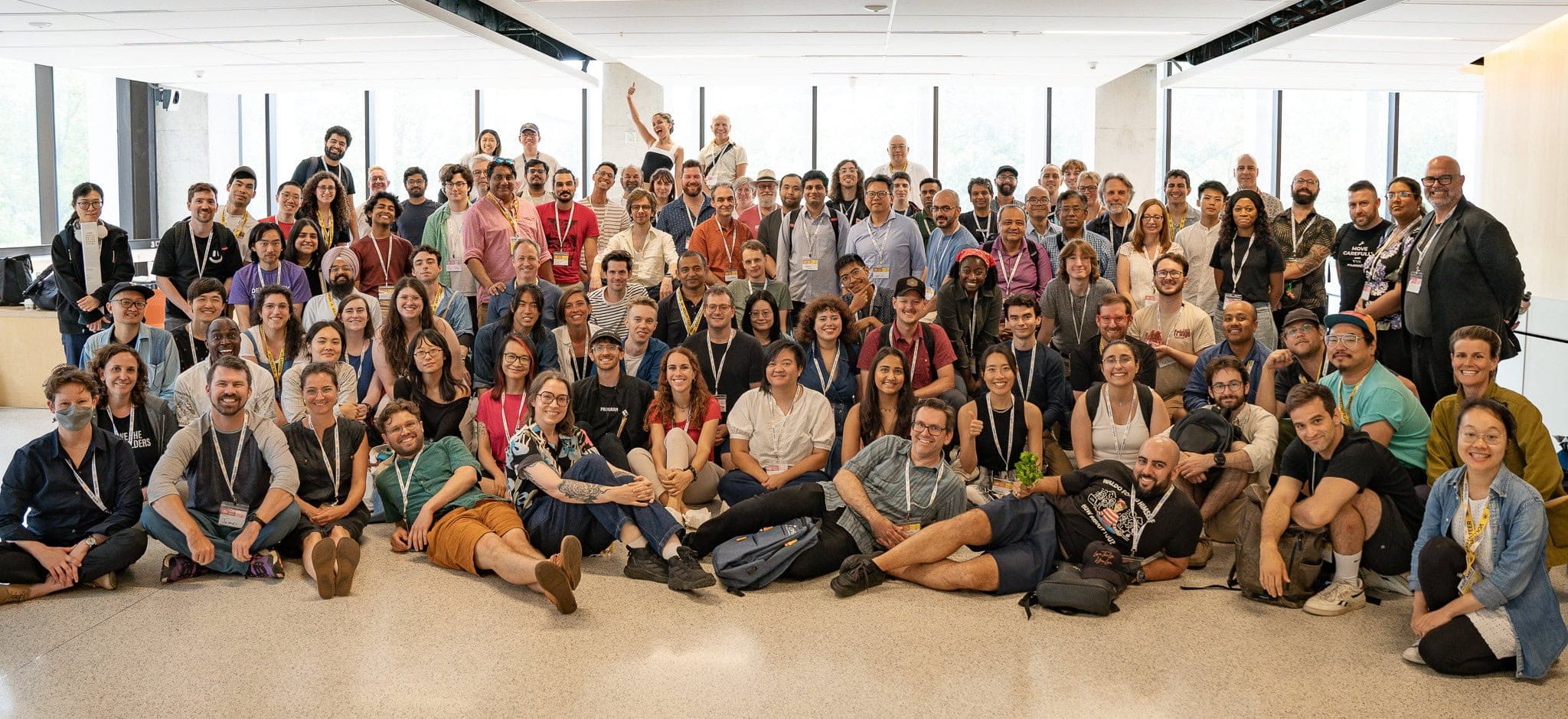
R00 OXD News Civic Spark Group V00 KB
Group photo from Civic Spark event

The event was informative and inspiring, but the many conversations and energy outside the sessions—in the halls, at lunch, and at the afterparty—sparked some of the most meaningful insights and connections. We’re grateful to the organizers, volunteers, speakers, and everyone Steve had the chance to connect with.

Page turners and beach burners: What we’re reading this summer

R01 OXD News Summer Reads 2x1 @2x V00 KB

This summer, we’re sharing a selection of books that have sparked discussion, inspired new perspectives, and kept our minds engaged—from critical takes on technology and governance to page-turning fiction perfect for the beach. See you in the fall with more news and updates.

Recommended by Gordon Ross

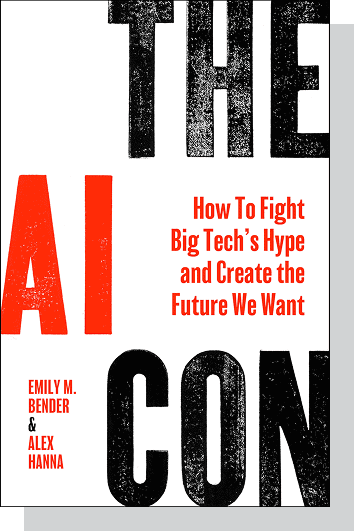
The AI Con

The AI Con

Emily M. Bender and Alex Hanna

An incisive critique of the myths surrounding artificial intelligence, revealing how automated systems often reinforce inequality under the guise of innovation. It’s funny, well argued, and pulls no punches about the current state of AI.

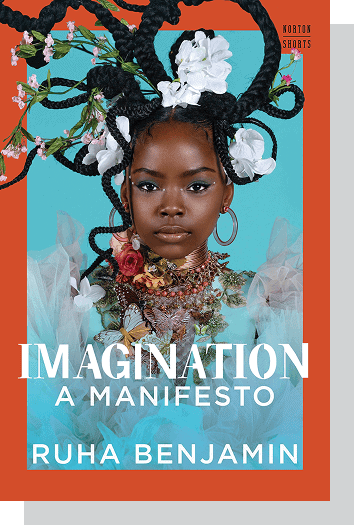
Imagination A Manifesto

Imagination: A Manifesto

Ruha Benjamin

An inspired call to reclaim the future from entrenched systems of racial injustice, asking what becomes possible when imagination is used as a tool for collective liberation. How do we re-engage with imagination in these fight-or-flight times?

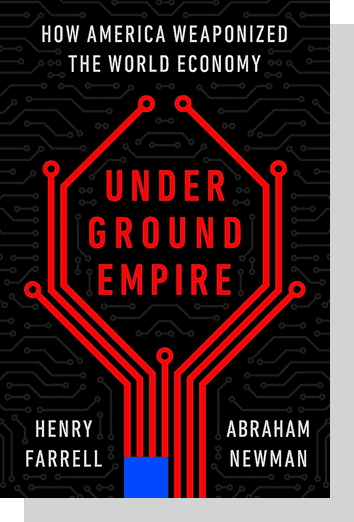
Underground Empire

Underground Empire

Henry Farrell and Abraham Newman

A page-turner of how control over financial and digital infrastructure has become a lever of global influence, with unexpected ripple effects across borders. Also, subscribe to Farrell’s substack, Programmable Mutter, it’s a must-read personal fave.

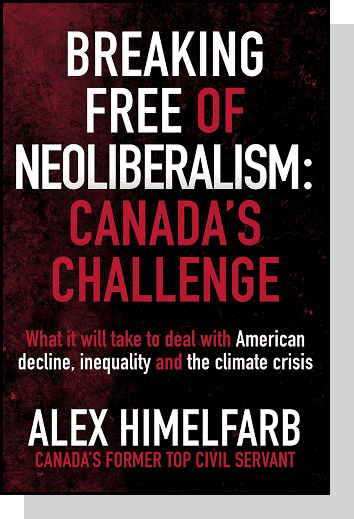
Breaking Free Of Neoliberalism

Breaking Free of Neoliberalism: Canada’s Challenge

Alex Himelfarb

A sharp and coherent analysis of how neoliberal ideology reshaped Canadian governance and public life, making a persuasive case for reclaiming shared purpose and collective agency. I felt like this did a great job situating my experience of Canadian politics of the last 30 years into perspective.

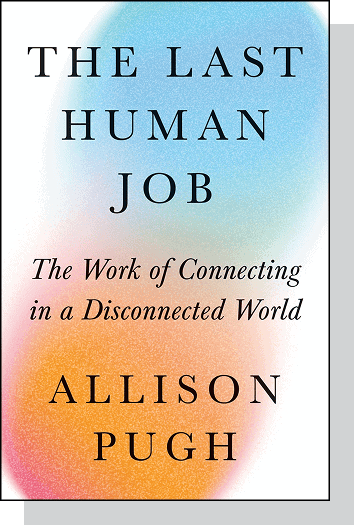
The Last Human Job

The Last Human Job

Allison J. Pugh

A meditation on care, empathy, and what machines can’t do, told through the lens of professions often overlooked in debates about the future of work. I’m feeling the strong Hochschild vibes with this work (no coincidence as Hochschild was Pugh’s doctoral advisor).

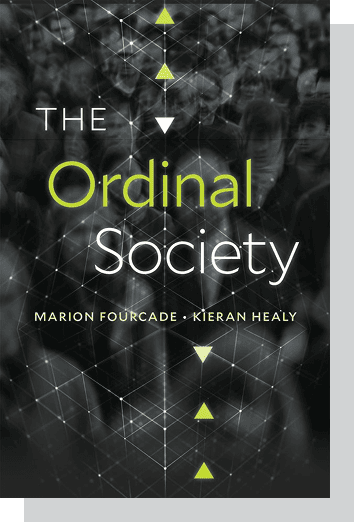
The Ordinal Society

The Ordinal Society

Kieran Healy and Marion Fourcade

An exploration of how ranking, rating, and scoring now shape our social world, with far-reaching consequences for identity, agency, and institutional power. Strong echoes of Sorting Things Out: Classification and its Consequences by my favourites, Bowker and Star.

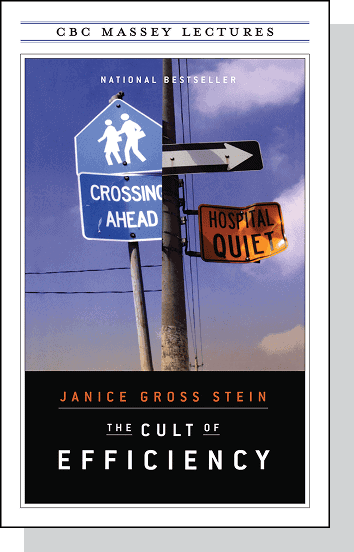
The Cult Of Efficiency

The Cult of Efficiency

Janice Gross Stein

This Canadian classic questions our obsession with doing more with less, tracing how the language of efficiency reshaped public institutions and democratic expectations. Nearly 25 years since this one came out, and I find it’s still so clear and succinct on one of bureaucracy’s favourite words.

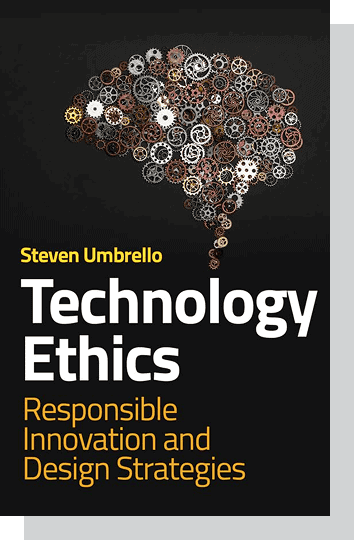
Technology Ethics

Technology Ethics

Steven Umbrello

A practical framework for making sense of emerging technologies, offering ways to think critically about their design, deployment, and social impact. I’ve added this to my “how to think in more productive ways about technology” collection.

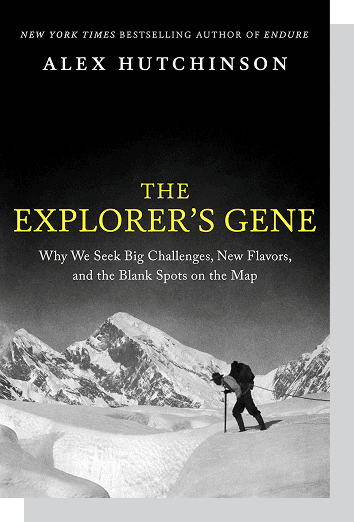
The Explorers Gene

The Explorer’s Gene

Alex Hutchison

An exploration (hah) into the science of curiosity and risk-taking, drawing connections between personality, discovery, and the drive to venture into the unknown. I got to meet Alex Hutchison recently in Vancouver, long-time fan of his human endurance / athletic performance based writing in Outside and The Globe and Mail, and his previous book Endure.

Recommended by Sara Redpath

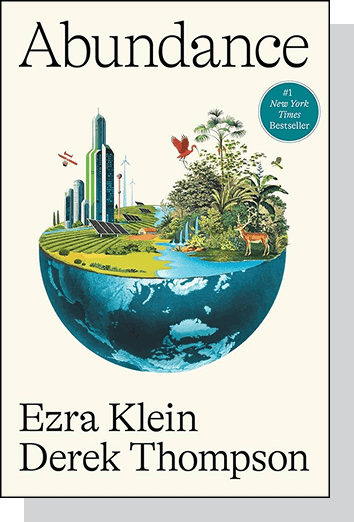
Abundance

Abundance

Ezra Klein and Derek Thompson

This is an optimistic exploration of how we can use existing resources to solve our biggest problems. I find their approach refreshing—focusing on creating a more prosperous future for everyone rather than dwelling on limitations.

Garlic And Sapphires

Garlic and Sapphires

Ruth Reichl

Great beach read: Reading about Reichl’s adventures as New York Times restaurant critic transported me to New York City in the 90s, offering a glimpse into the restaurants and personalities of the era and the profound connections between food, identity, and personal experience.

Every Summer After

Every Summer After and This Summer Will Be Different

Carley Fortune

Great beach reads: A blend of romance, nostalgia, and emotional depth. I think Carley Fortune excels at creating a strong sense of place, brimming with Canadiana and relatable characters. I think these are excellent beach reads!

Recommended by Leon Hui

Good Services

Good Services: How to Design Services That Work

Lou Downe

The book provides a clear set of principles to design services by. The fifteen principles serve as good guidelines to remind ourselves of when designing for public services, and some of the pitfalls to be avoided.

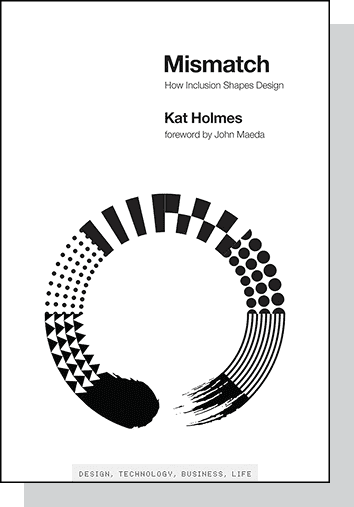
Mismatch How Inclusion Shapes Design

Mismatch: How Inclusion Shapes Design

Kat Holmes

Kat Holmes provides great examples of how inclusivity as a core part of the design process enhances and improves user experience of products and services, and prevents major flaws and gaps being missed. Important reminders in the decisions we make daily as designers.

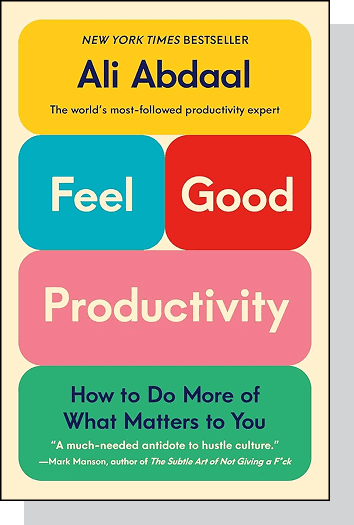
Feel Good Productivity

Feel-Good Productivity: How to Do More of What Matters to You

Ali Abdaal

I’ve been reading this book bit by bit at parks and coffee shops, and it helps with gaining some perspective on work/life balance, and finding joy or fulfillment in work. Ali Abdaal’s YouTube channel has been a source of motivation and inspiration, so it’s nice to get a peek into his mind and the evolution of his approaches along his journey from doctor to YouTuber to entrepreneur (and more recently, father).

Light Bringer

Light Bringer

Pierce Brown

The sixth Red Rising book—full space opera with interstellar maps and a large ensemble developed over the series. Started with the audiobook but the intricate plot lines made me grab the paperback for a reread. Think Hunger Games meets Dune with Greek mythology. Would love to see it adapted to screen at the hands of a team that can do the stories and characters justice.

Recommended by Dave Kachman

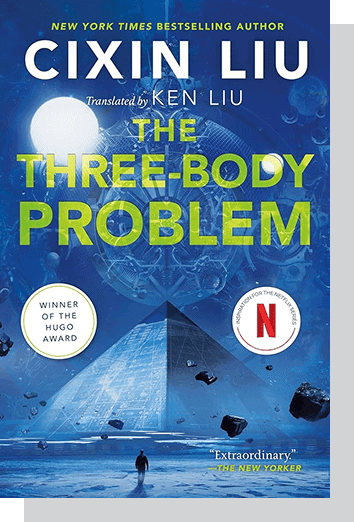
The Three Body Problem

The Three-Body Problem trilogy

Liu Cixin

The Three-Body Problem and its sequel, Dark Forest, are a fascinating look at how humanity might respond upon discovering not only that aliens exist, but are coming to take our planet in several hundred years. A look at the social, technological, and psychological impacts of that realization that I found endlessly interesting.

Recommended by Dominik Szopa

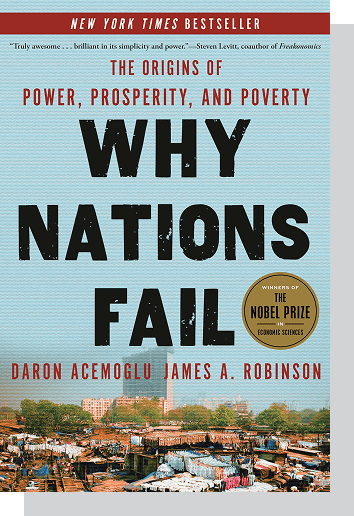
Why Nations Fail

Why Nations Fail

Daron Acemoglu and James Robinson

I’ve been fascinated by how different the lives of nations I’ve visited are, so I started reading this book. The authors won the 2024 Nobel Economics Prize for theories that have proven largely true since publication in 2012. 

They argue that inclusive political and economic systems—where most people can contribute and benefit—plus a strong central government are necessary for prosperity.

Recommended by Jane Mountain

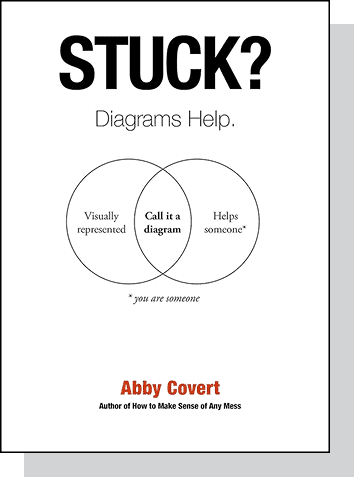
Stuck Diagrams Help

Stuck? Diagrams Help.

Abby Covert

As a long-time UXer and organization nerd, anybody writing passionately about information architecture and diagrams is going to catch my attention. Abby Covert does a great job of making sensemaking a fun, approachable, anyone-can-do-it activity.

Free Ride

Free Ride: Heartbreak, Courage, and the 20,000-Mile Motorcycle Journey That Changed My Life

Noraly Schoenmaker

My idea of heaven is an open road. No deadlines, nowhere in particular to be, no need to rush. I’ve no doubt Noraly “Itchy Boots” Schoenmaker shares that vision. In Free Ride, the YouTuber goes behind the scenes of her first 20,000-mile motorbike journey. If I can’t be out there on my own adventures, reading this book is the next best thing.

OXD helps launch modernized DriveBC website

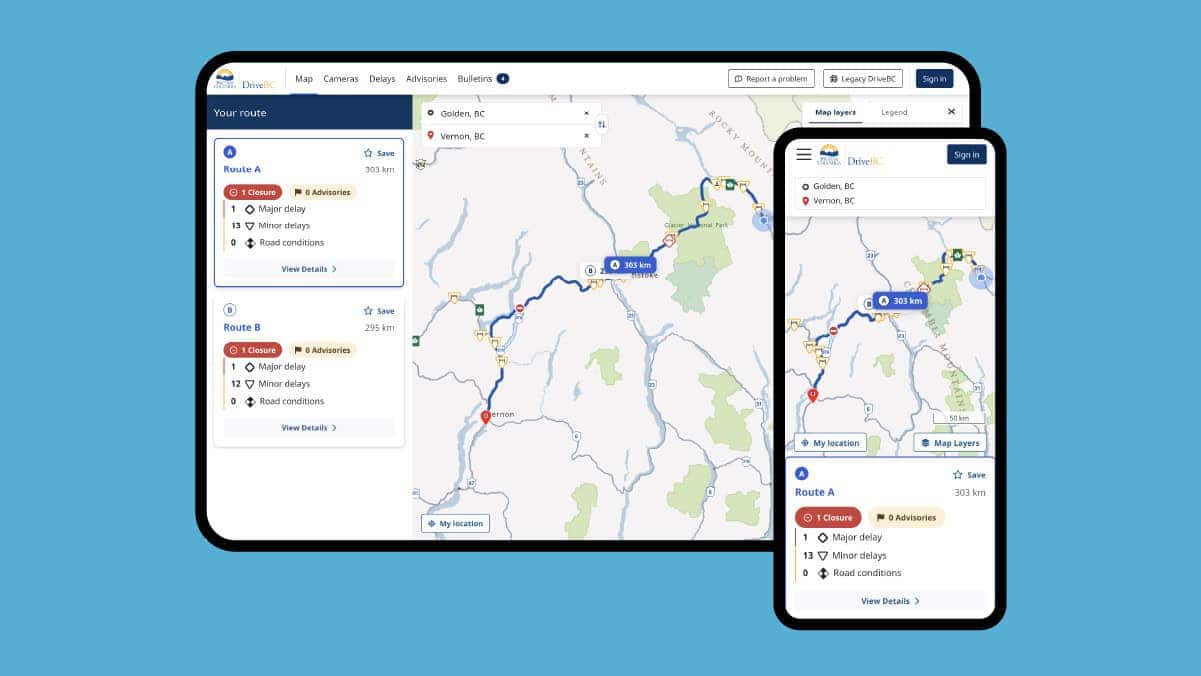
Today, June 19, 2025, we’re proud to celebrate the public launch of the completely redesigned DriveBC.ca, British Columbia’s (BC) essential travel information hub for drivers.

The new data-driven platform features responsive mapping, real-time road conditions, customizable route filters, and BC-centric capabilities that enhance the driving experience across the province.

DriveBC website map screen on a mock up phone and tablet
The redesigned DriveBC website showing mapping features on tablet and mobile.

Huge thanks to our incredible OXD team—Dominik Szopa, Ray Wang, Min Ji Choi, James Byun, Chris Masterton, Dave Kachman, Jason Stewart, Justin Johnson, Joey Bevacqua, and Gordon Ross—alongside our amazing partners at the BC Ministry of Transportation and Transit led by product director Russel Lolacher.

Together, we’ve transformed a 20+ year legacy system into a modern, user-focused digital service that will benefit millions of BC drivers and visitors.

Check out the new DriveBC website.

Beyond the AI hype: Our takeaways from Web Summit Vancouver

At Web Summit Vancouver, our User Experience, Software Development, and Creative teams discovered that while everyone’s chasing the latest technology, the real differentiator still comes from thoughtful implementation, quality user experiences, and solving genuine problems for people.

Jacqueline Antalik

Jacqueline Antalik
Director of UX and Service Design

Shaping an ethical and responsible future for AI—we all have a role

Many of us are experimenting with AI in our daily work and lives. While it’s easy to feel like we’re falling behind—especially when everyone’s sharing how they’re using AI—a key insight I took from Web Summit is that despite all the excitement, AI is still in its infancy.

Several presenters talked about AI automating repetitive tasks or augmenting human capabilities, but noted we’re not quite there yet for handing over the reins. While many look to AI for efficiency gains, a 100x increase in output doesn’t guarantee good outcomes—per AI slop.

A few current shortfalls of AI include:

  • Generative AI: In “Designing the future: The new visual workflow,” the speakers shared that the current image quality output doesn’t satisfy sophisticated users, not even beginner users. Many tools have issues incorporating text with images. AI technology hasn’t reached the point where you can simply upload a few images, such as a branded poster, and receive an output that aligns with your brand’s standards. Interestingly, companies like Pixar are collaborating directly with AI firms to train brand-specific models. While this approach is beneficial for organizations with the budgets to support such initiatives, it remains inaccessible to most small-and medium-sized businesses.
  • AI agents: In “The agentic era,” the speakers noted that today, many people feel uneasy about giving control to AI agents, even for simple tasks like booking a flight. While AI agents aren’t advanced enough for complex, nuanced tasks (which are often less binary), we are getting close. In the meantime, as we look for scenarios to leverage AI agents, it is essential to consider two key questions to determine if a particular use case is suitable for an AI-enabled solution: How can we ensure AI accountability, and what are the liability implications of using an AI agent?

Despite these shortfalls, now is the time for us to be active participants, not passive observers. It’s essential for all of us to engage actively in shaping the future of AI. AI is here to stay and will significantly impact our lives. We all have a role in ensuring AI is applied ethically and responsibly in our workplaces and society.

OXD Headshots Blue James Byun V27

James Byun
Art Director

The differentiators haven’t changed: quality user experiences and solving real problems

Web Summit made one thing clear: as AI grows, we need to think more strategically. It’s easier than ever to build with AI—there are tons of new AI startups and products, and anyone with an idea can jump in, even without a tech background.

For digital services, this means AI will soon be the baseline that users expect, not a special feature. Our advantage stays the same: building quality user experiences and solving real problems for people.

But more AI also means more security risks. We need to keep focusing on security, privacy, and ethics when we build AI tools—especially since people need to trust the services they use.

The biggest change? How people look for information. They don’t just search on Google anymore. They ask ChatGPT, check social media, or browse forums for answers (Search Everywhere Optimization). This means we need to rethink outdated past best practices. People who grew up with smartphones want experiences that feel authentic, transparent, and easy to research on their own.

It confirms that our job isn’t to chase every AI trend—it’s to make sure digital services meet people where they already are, with the same quality they expect from their everyday digital experiences.
Steve Ly

Steve Ly
Director of Software Development

Agentic AI is coming fast. Are we ready?

One main takeaway from Web Summit 2025 in Vancouver: Agentic AI is coming fast and will reshape how we work. Agentic AI refers to systems that can autonomously make decisions and execute tasks. Unlike regular AI tools, agentic AI systems can make decisions and complete tasks on their own. Think of them as digital teammates, not just software—but with increased risk for enterprises.

Many speakers emphasized that integrating AI agents (or any AI tool) should be treated like new or junior employees. You need clear policies, oversight, and accountability structures. You wouldn’t hire someone without training or supervision—AI should be treated with the same care.

Other reflections:

  • The lure of agentic AI is strong, but experts advised to go slow. Start with deterministic workflows and only introduce autonomy where it adds value.
  • As AI gains more decision-making powers, organizations need policies that ensure ethical use, security, and alignment to core values.
  • Based on the number of startups and established players at Web Summit, tooling is clearly outpacing adoption. The question isn’t what’s possible anymore—it’s how to use these tools responsibly and effectively.

While AI dominated conversations, quantum computing also got some of the spotlight. It’s exciting to see early momentum building. Quantum and AI will increasingly influence each other as both technologies mature.

OXD Headshot of Creative Director Wil Arndt

Wil Arndt
Creative Director

A creative strategist’s take on practical AI implementation

One of the interesting takeaways I synthesized from several speakers across multiple sessions at Web Summit Vancouver was how AI agent development is becoming less about the underlying models (which are quickly commoditizing, according to Douwe Kiela) and more about thoughtful integration and governance. 

As a creative strategist, I was struck by the practical framework that emerged: start with simple “copilot” agents that assist rather than replace human decision-making, then gradually build toward more autonomous systems only after proving value and establishing proper oversight (May Habib defines this in four levels of agentic AI). 

The real competitive advantage isn’t in having the fanciest AI—it’s in how well you connect it to your specific data and workflows, while maintaining transparency about what the agent is actually doing and why (David Shim recommends contextual citations, while Alex Gallego recommends leaning on the concept of “dead letter queues” for agentic development). 

Most importantly, there always needs to be a human ultimately accountable for the outcomes, even as the technology becomes more sophisticated. For those of us in creative and strategic roles, this suggests AI agents will be most valuable as collaborative partners that enhance our capabilities rather than black boxes that make decisions for us (Though Hootsuite’s Irina Novoselsky claims agents are already in her company’s org chart). 

Ultimately, it’s not just plug and play (yet). There’s still a strong need for systems thinking and a clear intentionality around the things we want our agentic partners to help with, and how we expect them to do that.

In summary

Our Web Summit takeaways reinforce what we’ve always believed: the best digital services start with understanding real user needs and solving genuine problems. 

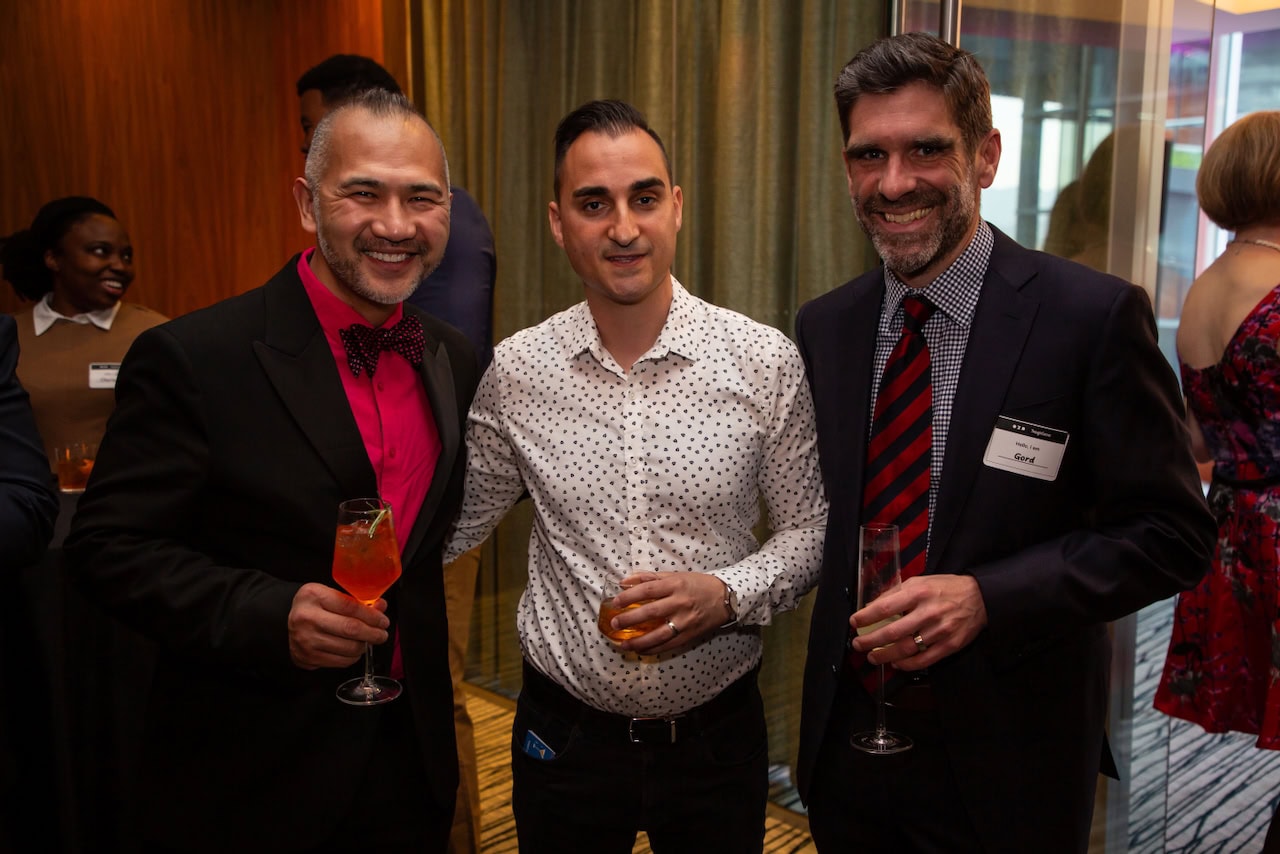
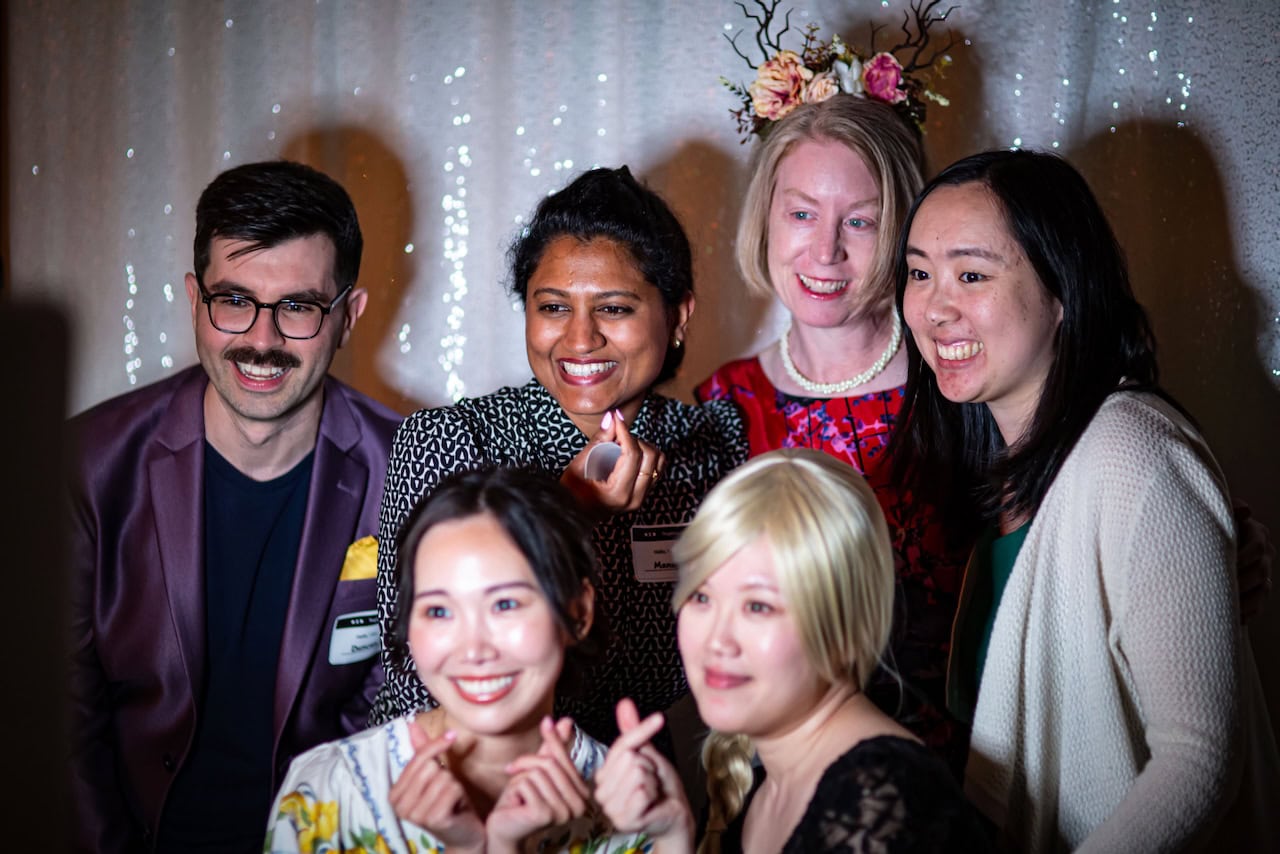
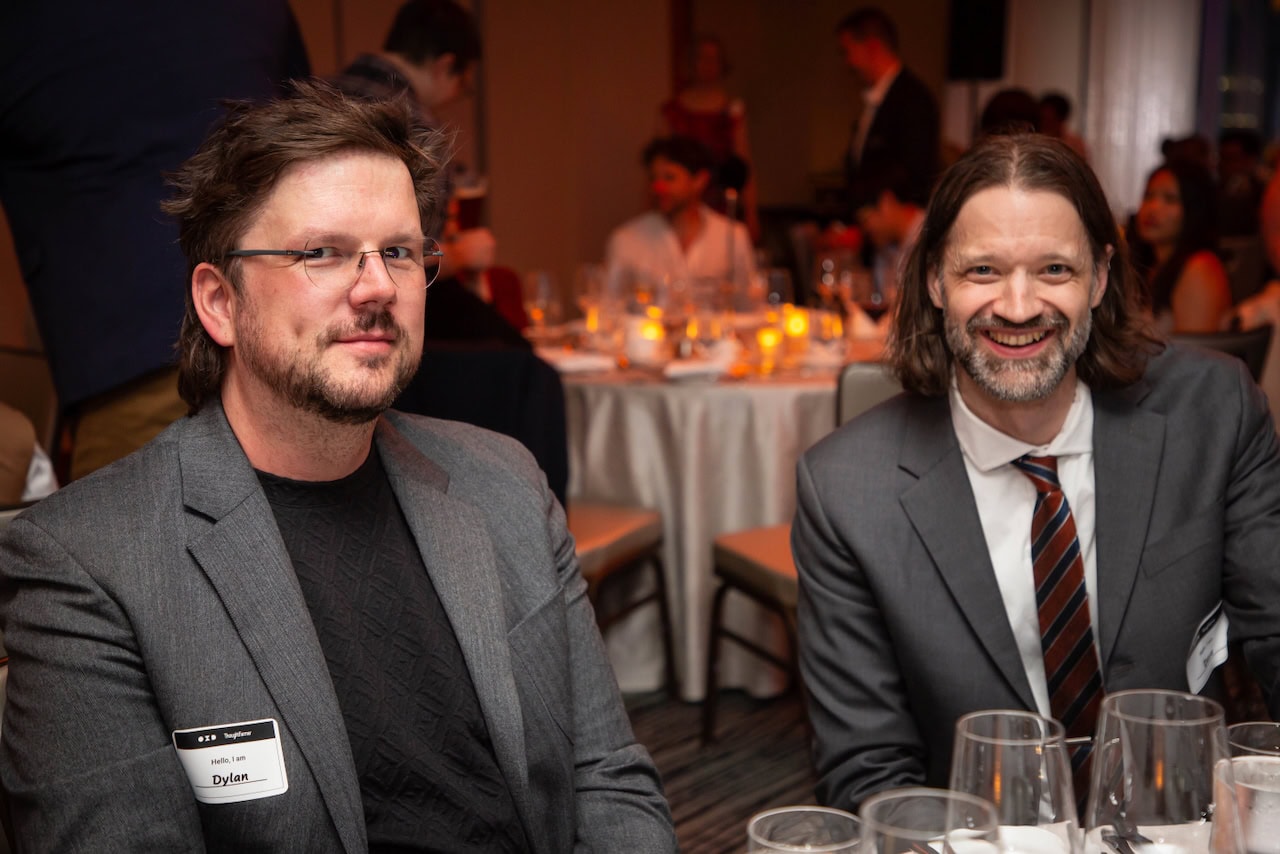
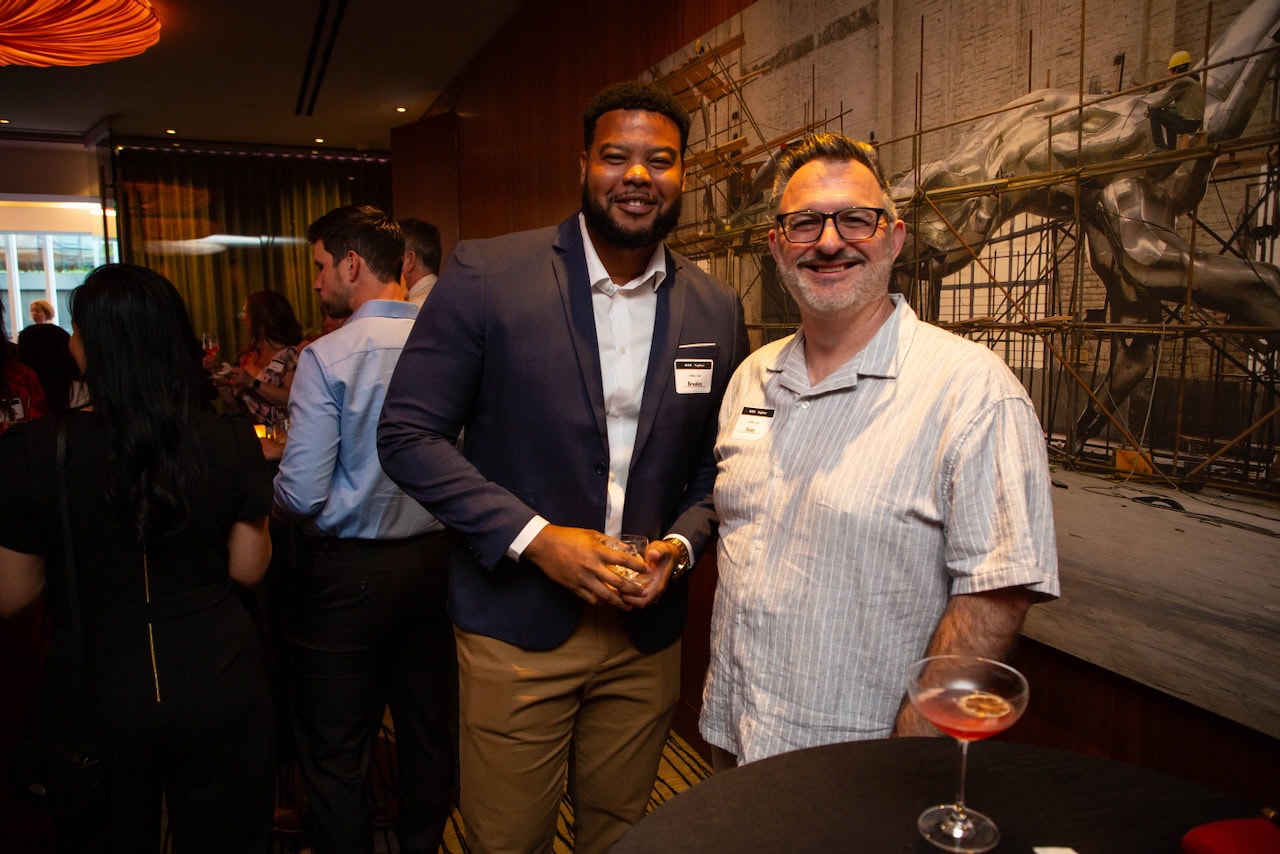
OXD and ThoughtFarmer shake it up at 29th annual company party

On April 25, 2025, OXD and our sister company ThoughtFarmer kept our oldest tradition going with our annual party. We've come a long way from meeting in apartment building common rooms to now enjoying the beautiful views at the Fairmont Pacific Rim in Vancouver. Our company has grown up, and so has our party!

Lawrence Chan, our Senior System Administrator, has been with us from the start. Shown here at our first company party in an apartment community room, December 8, 2001.

The evening featured karaoke between team members who normally collaborate on code rather than choruses, competitive bidding wars during our annual charity raffle—this year we raised $2,520 for BC Children's Hospital, and conversations connecting colleagues across our two companies.

Lawrence shown again at our company party April 2025 with Gord, at the Fairmont Pacific Rim.

As we look toward our milestone 30th celebration next year, we're already gathering ideas to make it even more remarkable. In the meantime, enjoy some of our photos from this year’s event.

Susan (OXD and ThoughtFarmer) and Lisa (OXD)

Here's to another year of innovating digital services for our clients and the people they help—and to the relationships that make it all worthwhile.

OXD named one of Canada’s Best Workplaces™, again!

We're thrilled to announce that OXD has earned a spot as one of the Best Workplaces™ in Canada for 2025, for the second consecutive year! This recognition is based on direct feedback from our employees, who are at the heart of what makes us great.

Photo of employees of OXD and sister company ThoughtFarmer having a great time at Pop Queen Cardio Dance Fitness class—one of our monthly work events.
Employees of OXD and sister company ThoughtFarmer having a great time at Pop Queen Cardio Dance Fitness class—one of our monthly work events.

This achievement provides a genuine snapshot of OXD's organizational culture, drawing on the input from each of our team members. It reflects our ongoing commitment to fostering a workplace built on trust, respect, and opportunity.

We're proud of our staff, our culture, and the continued support from our clients and community.

Learn more about the people who make working at OXD great.

Emily Carr’s future design leaders get a glimpse into how OXD operates

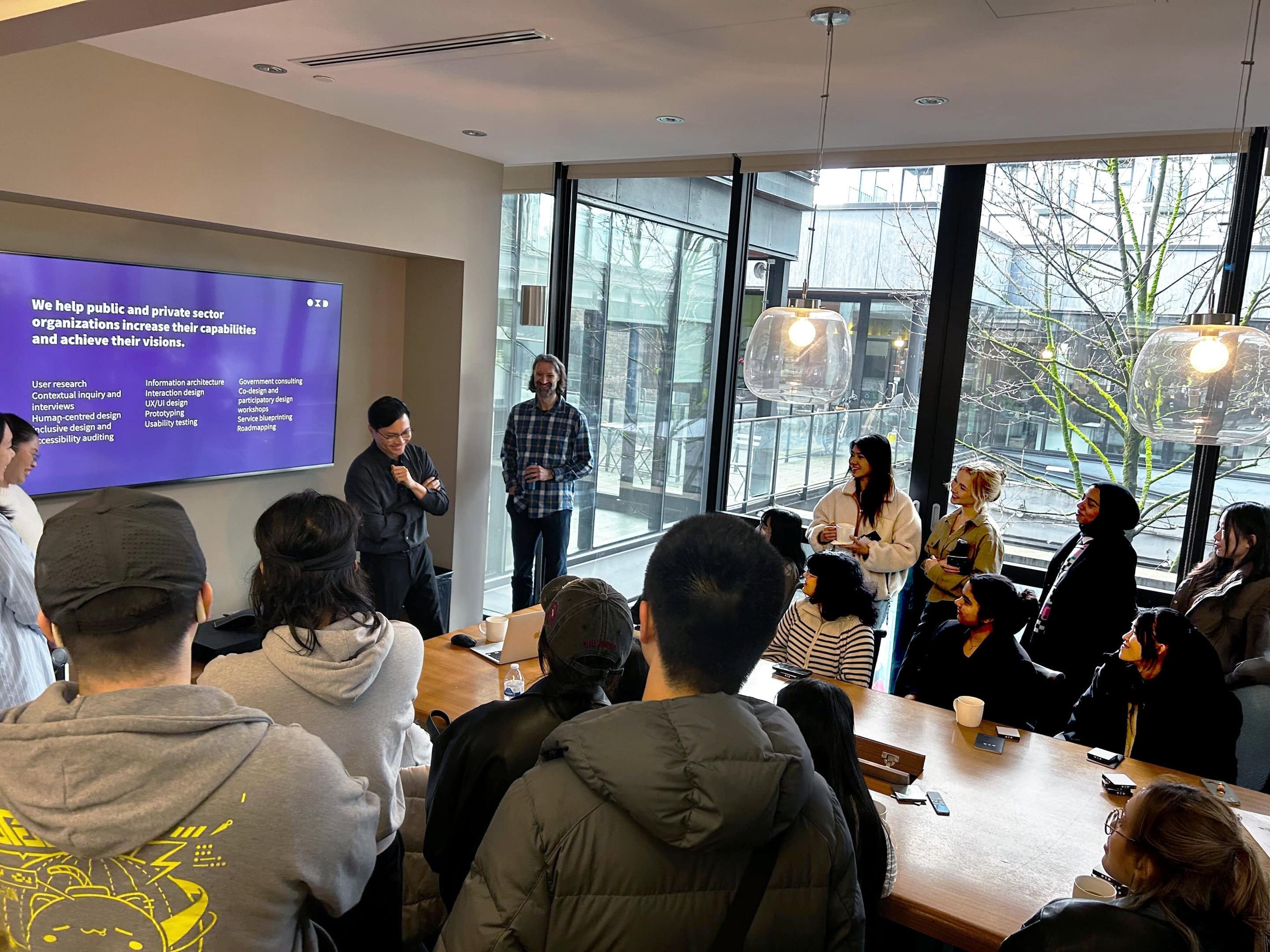
On March 20, 2025, senior Interaction Design students from Emily Carr University of Art + Design received an immersive experience offering the 28 graduating designers a rare glimpse into the day-to-day operations of a leading design and technology firm.

During the visit, members from our UX and Creative teams shared real-world project examples and candid insights about the industry landscape, discussing everything from research methodologies to client collaboration strategies that aren't typically covered in classroom settings. OXD's leadership team, including the Creative Director and VP and Partner, also engaged with students during the Q&A period.

Photo of Interaction Design students from Emily Carr University of Art + Design during their studio tour at OXD.

“The students were incredibly enthusiastic to learn about the industry and had insightful and engaging questions to ask,” remarked Sarah Tan, Brand and Marketing Designer at OXD. Sarah shared with students on how she supports telling OXD’s brand story through visually captivating designs that prioritize audience connection and message clarity. 

As part of our ongoing commitment to nurturing emerging design talent, OXD proudly supports several educational initiatives.


Interested in connecting your design program with OXD for a similar experience? Contact us to explore collaboration opportunities.