




Gordon Ross explores digital transformation in government after a pandemic year

A year ago, OXD’s Vice President and Partner, Gordon Ross, explored what digital transformation in the public sector meant, through interviews with Canadian public service digital practitioners. The result was our research brief Images of Digital Transformation.
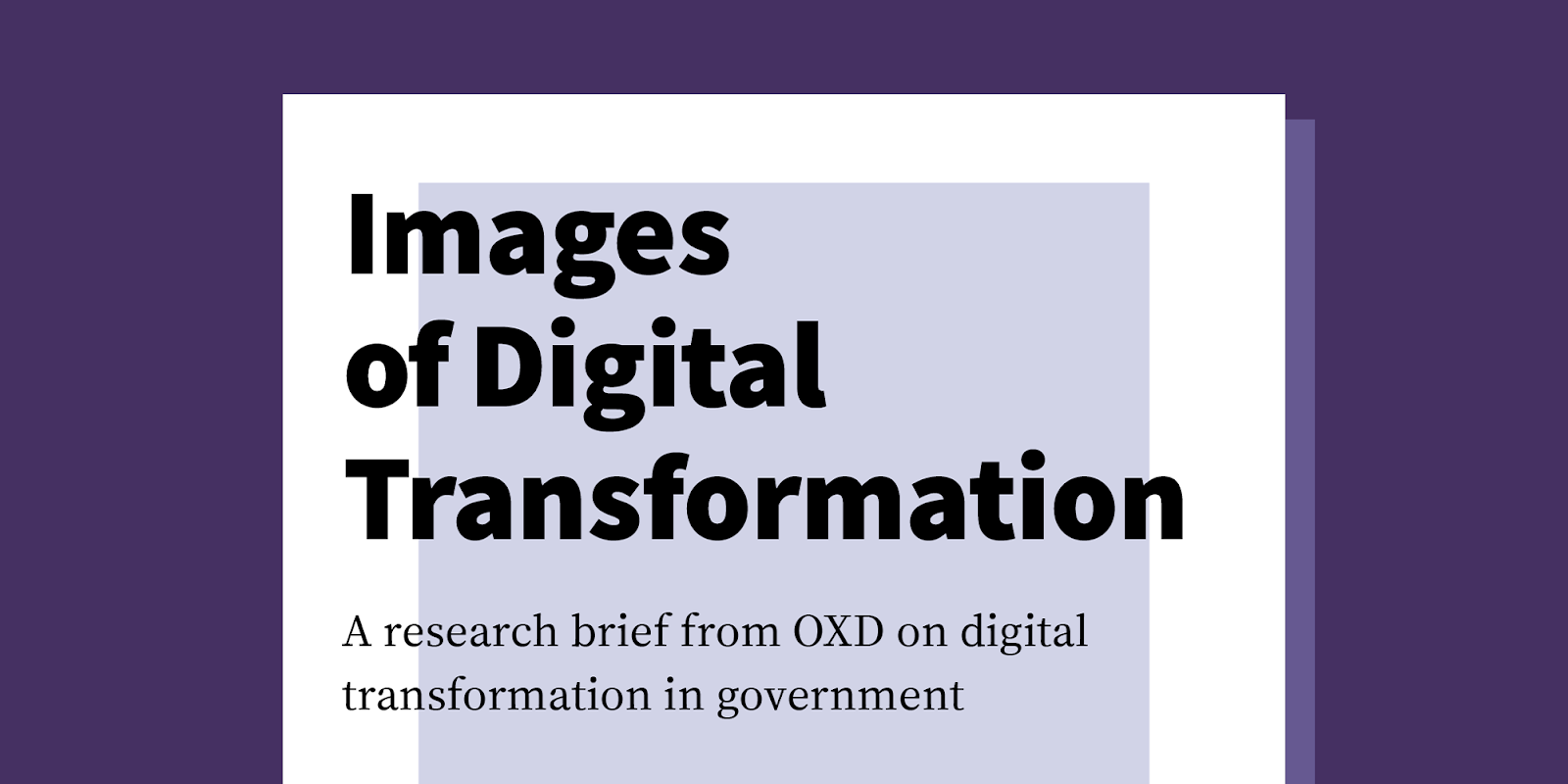
digital transformation in government research brief cover

The COVID-19 pandemic has amplified the need for effective digital services and the speed at which they are designed, developed and launched. OXD has been on the frontlines of this work in Canada, supporting our provincial and federal partners. We watched first hand as digital service units adapted their practices to support emerging requests and political priorities in a dynamic and uncertain time. 

Our 2020 research brief, written a few months before COVID-19, acknowledged that the noise and confusion of what digital transformation means can impair our collective ability to do important work. Something was, and still is clearly happening; digital transformation is more than a buzzword, but the impressions are fleeting and our understanding of the phenomena is incomplete. 

We set out to better understand the lived experience of digital transformation in government, from the point of view of our partners in government, the people living the change. Our research brief synthesized the common themes that public servants shared when describing their experience of the large-scale systemic change—frequently known as “digital transformation”—underway in government. 

The research resonated with those we work with, but the project was unfinished thanks to the rapid response and pressing needs placed on the public service by the pandemic. And so now, one year later,  we’re looking to talk to people who can share their experiences after this big year of change. What’s changed? What’s the same? How has the digital context of government changed in the last year? 

Do you work in government, either at the municipal, provincial, or federal level and are you interested in contributing your thoughts and reflections around digital transformation with your peers? We’d love to hear from you. Contact us here or email Gord at gordonr@oxd.com.
Gordon Ross presents to University of Victoria law students on designing for justice

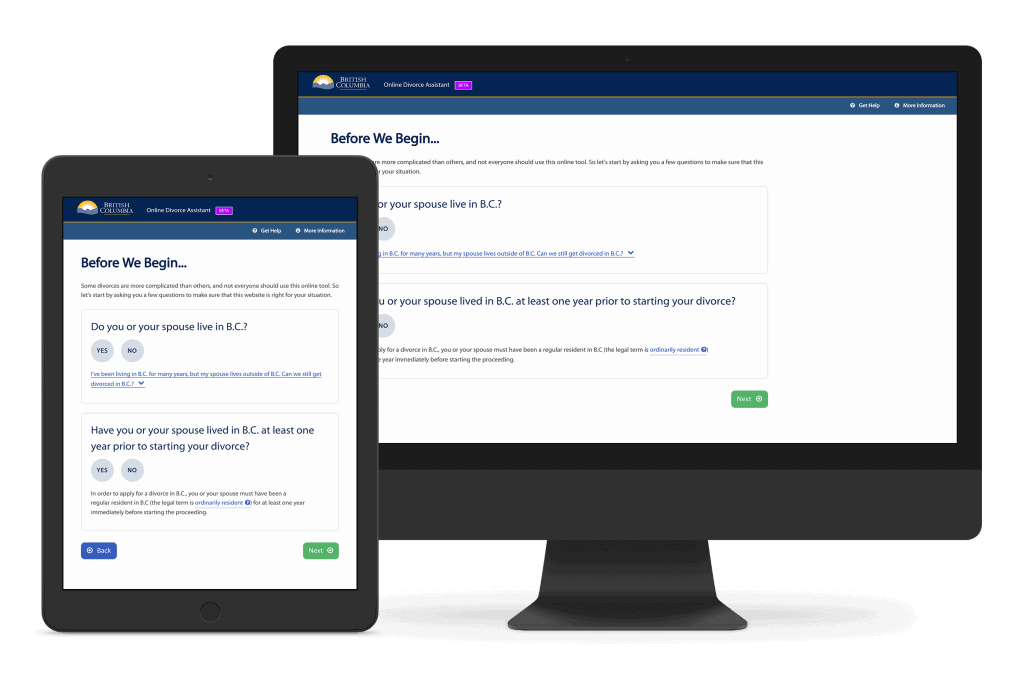
designing for justice example: BC Online Divorce Application homepage

The UVic Law 325, ‘Access to Justice: Designing Change in the Legal Sector’ course confronts the fact of diminishing access to justice and responds with proactive, problem-solving, and human-centred approaches. The aim is to provide both theoretical and practical frameworks and methods to help students recognize, understand, and respond to access to justice issues.

The course is taught by Professor Robert Lapper, QC who is the Lam Chair in Law and Public Policy at University of Victoria.

Sharing our experiences in designing for justice with projects like the BC Online Divorce Assistant​ is one of the ways OXD supports access to justice initiatives. Our work with the Ministry of the Attorney General of British Columbia on this project helped provide fair and equitable access to justice through Agile development and citizen-centred design. 

We’d be happy to speak about our experience at your next event or initiative.

Please contact us to learn more.

Jacqueline Antalik to discuss using Agile for Good at Boston University’s 2021 Agile Conference

How OXD is using an Agile approach to design for good—our lessons learned and how we plan to move forward.

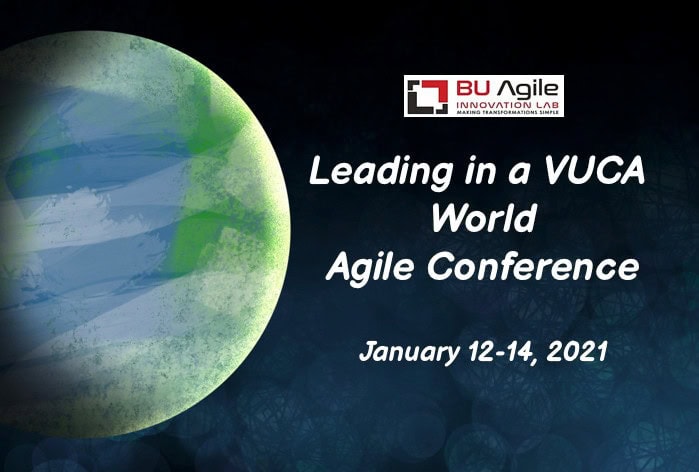
BU Agile Leading in a VUCA World photo with globe

We are honoured to speak at the BU Agile Innovation Lab 2021 Agile Conference: Leading in a VUCA World. Our Director of UX, Jacqueline Antalik, will share how an Agile mindset and practices pulled from Scrum, Kanban, and Lean helped us move from talk to action.

The killing of George Floyd last May—along with the subsequent protests against racial and social injustice around the world—deeply challenged OXD as an organization. We were already taking steps to support anti-racism, diversity, equity, and inclusion in our work and workplace practices, but knew there was much more we needed to do. We agreed that real, genuine action was required, and yet we were fearful of not getting it right. How do we understand and meaningfully address our part in perpetuating systemic racism? What does it mean to create an inclusive and anti-racist workplace environment? We realized this was a real opportunity for further change and action in our workplace.

To strategize and develop solutions, we implemented methods that we’ve always employed to tackle tough, complex problems: co-creation, experimentation, and Agile development. But while Agile helped us get started, we realized it may not be enough moving forward. Jacqueline will share some of the reflections and ideas we have around the gaps and how to address them. 

The Boston University Agile Innovation Lab is a resource for the Agile project management community. This year’s theme—Leading in a VUCA (volatility, uncertainty, complexity, and ambiguity) World—features international think tanks, global leaders, and Agile practitioners discussing how we can move forward and thrive in uncertain times. 

The Agile conference will be hosted virtually this year, from January 12 to 14. Attendees include academics, Agile professionals, and anyone interested in learning a better way to deliver outcomes. Registration is open now.

Canadian Digital Service launches COVID Alert contact tracing app

The federal government of Canada, in partnership with Canadian Digital Service (CDS), rolled out COVID Alert, a mobile application developed to help notify Canadians of possible COVID-19 exposures before any symptoms appear.

Diverse man sitting at desk with laptop looking at cell phone representing looking at the COVID Alert app.

The role of OXD’s team, in part with a larger team, was helping the government confront the COVID crisis with automated testing and robust and timely quality assurance for a mission critical citizen application.

As part of the OXD team’s inclusive end-to-end testing process, they started with manual testing on virtual devices. This was crucial to testing in the early stages due to having to follow strict mobile app and security testing guidelines imposed by both Google and Apple stores. Some of these included:

  • Functional testing
  • Compatibility testing
  • Performance testing
  • Automation strategy (framework selection and platform considerations)

The broader testing team also performed user experience (UX), accessibility, and security testing.

The app was tested on both personal and purchased mobile phones with various operating systems. Performance testing was especially important to ensure the app was able to handle the potential volume of users. Testing was based on a simultaneous volume of approximately 500 people all using the mobile app at once—an estimated projection from the app development team. Over 20,000 scenarios were run over a 15 minute timeframe by the OXD QA team.

The OXD team was proud to be part of this national initiative. To help support COVID-19 transmission awareness, visit the Government of Canada website to learn more about how the app works, or to download the COVID Alert app to your device.

Want to learn more about our testing processes? Contact us to learn how OXD can support testing services for your website or mobile application. 

Alberta’s child care certification process gets digitized

In continuation of digital modernization efforts with the Alberta government, OXD helped take the Early Childhood Educator Certification application process from paper to digital.

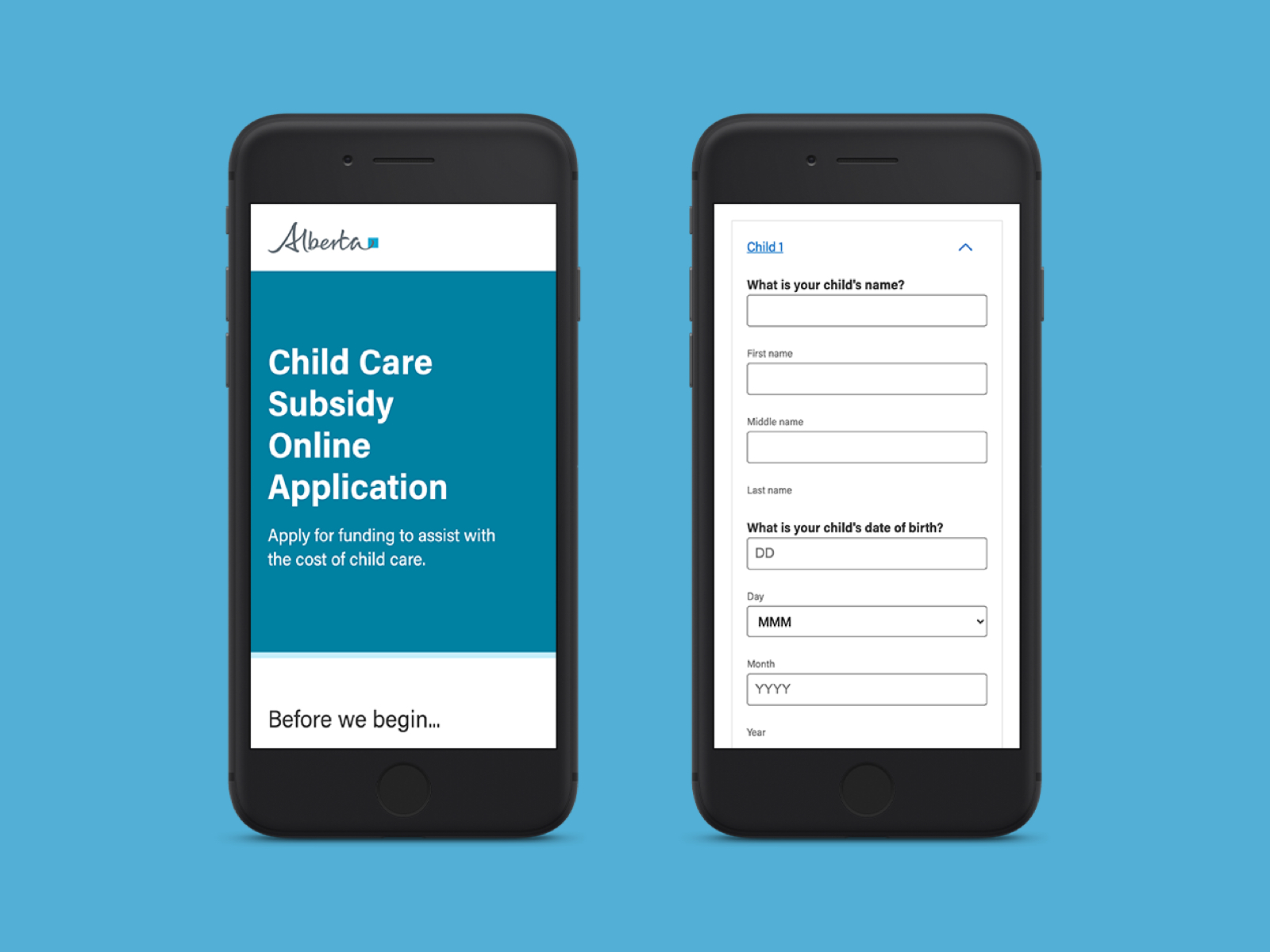
The new Alberta government digital child care certification application shown on an iPhone over a blue background

The new digital application form allows applicants to seamlessly move through the process while being able to upload any supporting documentation. They get instant confirmation that their form was submitted and instructions on what to expect next.

Previously, applicants who were hoping to become certified childhood educators had to find PDF forms online, print and fill them out, mail them back to the government office, and then wait to find out if their application was received. Once the certifications project staff received the paperwork, they would have to scan and upload all the supporting documents—which were stored in a different system from the applicant data—and then manually enter in all the applicant’s data to their legacy system.

With the new online process, data entry is greatly reduced and all the applicant data and supporting documents are stored in one place. 

Bringing the form into the modern age gives applicants peace-of-mind that their application was received (and not potentially lost in the mail). It also saves them, and the application processors, valuable time. Project staff get the added benefit of error reduction by not having to manually add data and locate scanned files.

Learn more about how we work with governments around the world to modernize and innovate their digital services.

An end-to-end modern digital approach to BCI’s new client-focused portal

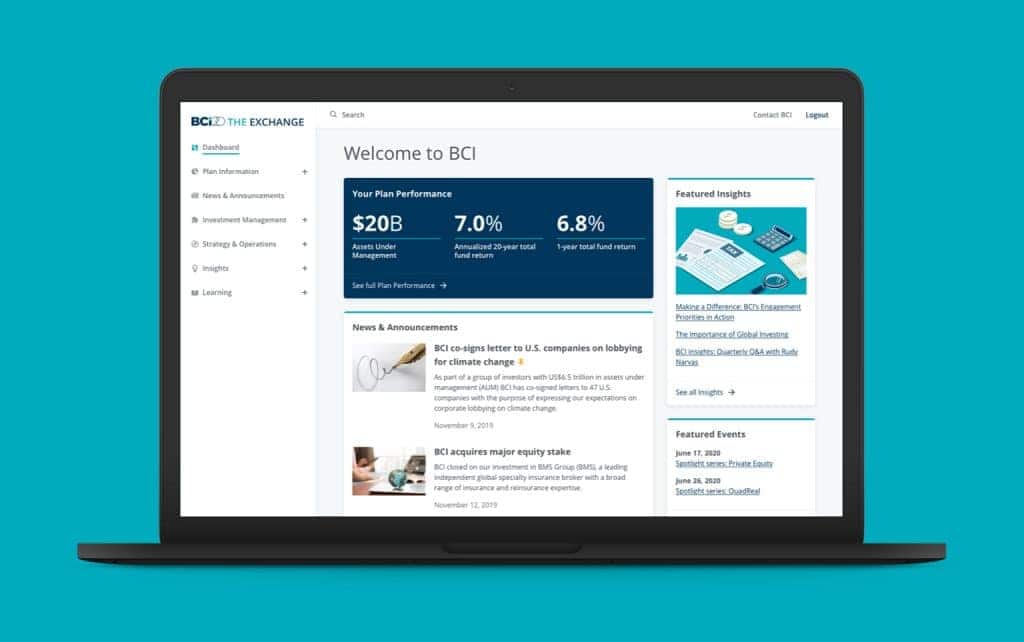
British Columbia Investment Management Corporation (BCI) worked with OXD to develop a new client portal. Our end-to-end modern digital approach used practices like user experience design, Agile, continuous integration, and continuous delivery. The modernized and client-focused portal provides BCI clients with a more efficient, engaging, and interactive experience. 

The new portal creates internal benefits for BCI as it supports improved efficiencies in workflows, material distribution, and communication with their clients. It also provides a feedback loop for continuous improvement of the portal via user analytics. 

BCI client portal shown on a laptop against a teal blue background

Working this way, BCI has had the opportunity to introduce modern design and development methods into their organization. In particular, this project demonstrated how they could both increase the speed of product delivery and business value by building new technical capabilities.

Before we began building the working portal, we conducted interviews and workshops with BCI stakeholders and clients to understand user needs, behaviours, attitudes, key tasks, timelines, and triggers for interacting with a new and improved client portal. 

By using the insight gained from our research, we created a new client-centric Information Architecture for the portal and clickable prototypes that demonstrated an improvement to the flow and availability of information. 

Our development team built a working, accessible version of the digital service using standards-compliant code, continuous deployment, and Agile methods. Working with their internal IT and Security teams, we developed a technical architecture suitable for their internal hosting infrastructure and high security requirements, while still being flexible enough to migrate onto their new cloud environments with ease.  

Our team is continuing to work with BCI to further improve and enhance their client portal, continuing to take an Agile approach to feature design and development. 

Are you looking for help with your next technology modernization project? Contact us for more information on how we can help.

FortisBC launches a redesigned website

FortisBC worked with OXD to improve customer service with a customer-centric redesigned website that reflected their brand. FortisBC had outgrown its previous website features and design which made it confusing and hard for customers to accomplish necessary tasks like finding bills, changing passwords, and updating account information. The technologies were outdated and hard to maintain, the search function didn’t generate relevant results, and user experience wasn’t taken into account. 

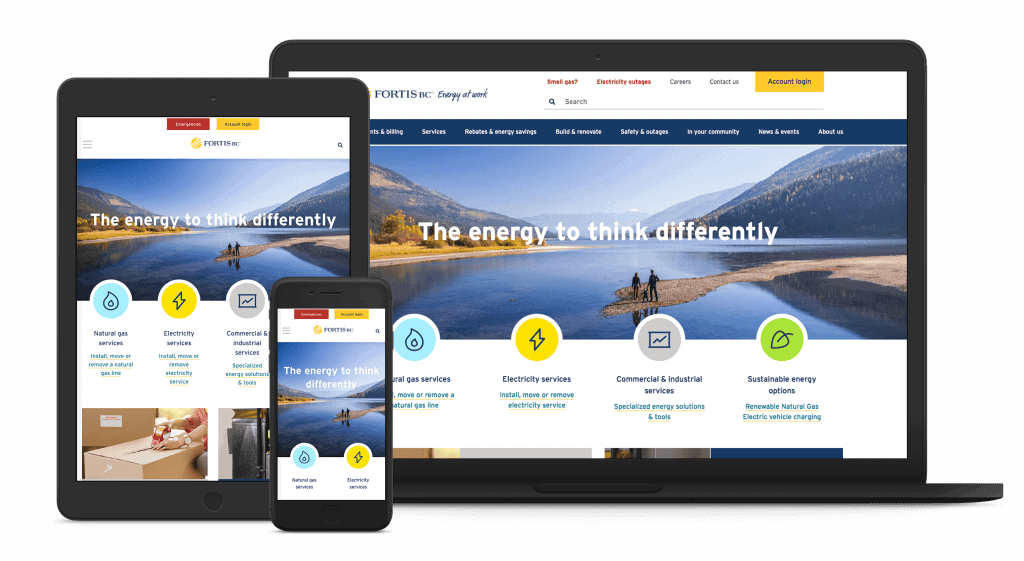
For the FortisBC website redesign, we improved the overall look and feel of the site as well as the customer experience. Feedback from customers was key to meeting FortisBC’s goals for the project. The new design makes it easier for customers to find what they’re looking for—specifically paying bills, applying for rebates, and moving their service—which was validated by usability testing. The new design features refreshed colours and imagery that reinforces their brand attributes of credible, trustworthy, and innovative. In addition to refreshing their brand for vibrancy, we used quantitative testing methods to resonate with their audience and implemented web management tools so non-designers could easily add and update content. The new website is also accessible—meeting the Web Content Accessibility Guidelines (WCAG) standards.

FortisBC redesigned website on laptop, iPhone, and tablet.

The redesigned FortisBC website won Gold in the Business to Consumer category at the Hermes Creative Awards.

Take a look at the redesigned FortisBC website. 

Planning your own website redesign or design and build of a new website? Download our free website project planning guide.