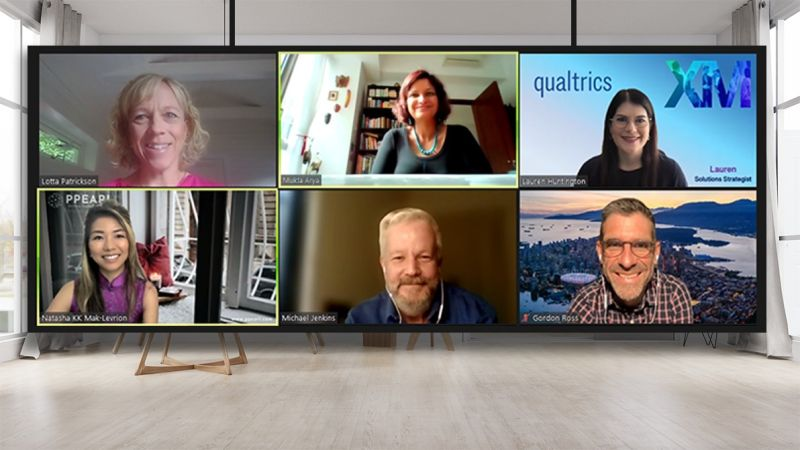
Gordon Ross shares insights on re-humanizing the workforce with the 2021 PPEARL Re-Now webinar series.
We’re pleased to announce that Gordon Ross will be sharing insights on "Re-energizing and re-humanizing the workforce", with the PPEARL Re-Now webinar series. Research is showing that fatigue from the COVID-19 pandemic is a real problem for organizations. With this comes an opportunity to plan ways to re-energize workforces.
Leaders need to consider that growth on the digital front needs to be in tandem with creating “more human” work environments. But how do we do so in a remote or hybrid environment and within virtual teams?
Gord, along with other international thought leaders, Charlotta Patrickson, Lauren Huntington, Michael Jenkins, and Mukta Arya will discuss this, and other ideas like leveraging technology to build a more human work environment while recovering from this crisis.
This event has past, but you can listen to the webinar recording through the PPEARL Re-Now website.
June is National Indigenous History Month, and we're inviting you to learn more about reconciliation, and ways to honour the history, heritage, and diversity of Indigenous peoples across Canada.
It is also a time to reflect and remember Canada’s dark history, and an opportunity to commit to reconciliation. But for many Canadians, the topic of reconciliation is still a bit of a mystery.
We hear the term, and we know some horrific things happened in the past. However, many of us are still confused at what reconciliation really means, what exactly needs reconciling, and what role we can play in reconciliation.
What is reconciliation?
The Truth and Reconciliation Commission (TRC) defines reconciliation as:
Reconciliation is about establishing and maintaining a mutually respectful relationship between Indigenous and non-Indigenous people in this country. In order for that to happen, there has to be awareness of the past, an acknowledgement of the harm that has been inflicted, atonement for the causes, and action to change behaviour.
Reconciliation is critical, complex, and continuous. It involves honouring treaties, acknowledging and respecting Indigenous rights and title, acknowledging the past, learning about Indigenous history, recognizing the inter-generational impacts of colonization, attempts at assimilation, and cultural genocide, It is the responsibility of every Canadian. Reconciliation is not a trend, a single gesture, nor is it about blame or guilt.
What happened in Canada’s past?
It’s not surprising that many people are unaware of the treatment of Indigenous peoples of Canada. Up until recently, it was not discussed within the education system.
The land that is now Canada was occupied for thousands of years by the Indigenous people of North America. Over the course of centuries, communities of Indigenous people maintained sustainable economies, sophisticated political systems, complex spiritual beliefs, and rich, vibrant cultures.
By the 16th century, as European settlers arrived, Indigenous people throughout North America were uprooted from their homes and villages, either through war, forced relocation, or threats of violence, and pushed into remote areas where they wouldn’t interfere with European colonization.
As the death rate for Indigenous peoples increased (due to the arrival of diseases like smallpox from the Europeans) and European immigration increased, Indigenous peoples were mistreated, mistrusted, and were relegated to subordinate status.
By 1876, the federal government of Canada enacted the Indian Act. It served to keep Indigenous people locked in a state of dependency with little to no control over their own affairs; in other words, the Indian Act was designed to suppress the cultural diversity of Indigenous peoples and instead assimilate them under colonial perspective.
What was included in the Indian Act?
The Canadian federal government believed that assimilation was only possible by legally abolishing all cultural practices. For example, the government enacted a potlatch law in 1884, which forbade cultural ceremonies of any type.
The government also forced Indigenous people from their lands and pushed them into reserves. For some Indigenous people, the land allocated to them contrasted with the type of land they had grown up harvesting. Meanwhile, Indigenous women who married non-natives lost their Indigenous status.
Indigenous people were also denied the right to vote. In fact it wasn’t until 1960, that the right to vote was extended to all Indigenous peoples.
The Indian residential school system
Perhaps the darkest part of the Indian Act was the establishment of Indian residential schools. The Indian residential schools program, which ran in Canada from roughly 1880 to 1996, was established by the Canadian Government specifically for Indigenous children. These schools were different from voluntary residential schools in Canada.
The schools were created as an attempt to educate and ‘civilize’ the Indigenous peoples of Canada. Indigenous children aged 5 to 16 were forcibly removed from their homes and communities and separated them from their culture. Speaking their native languages was against the rules, and those students caught doing so often faced horrible punishments such as being locked in closets or dark basements for days at a time, or being beaten with a belt. Many students also endured emotional, physical, and sexual abuse. The schools also frequently had poor and dangerous living conditions.
In 1914, Duncan Campbell Scott, a government official, acknowledged the conditions Indigenous children were subject to, stating “...fifty percent of children who pass through these schools did not live to benefit from the education which they had received herein.” However Scott did nothing to improve the conditions, and consistently failed to acknowledge and address the health needs of Indigenous children. Children were often underfed, sick, and many died. As reported in May of 2021, the remains of 215 children were discovered at the site of the former Kamloops residential school in Tk'emlúps te Secwépemc First Nation territory.
The legacy of the Indian residential schools program has contributed to social problems that continue to exist in communities today.
The Sixties Scoop
The government may have slowly begun closing residential schools in the 1950’s, but their involvement with Indigenous children was far from over. In what is known as the Sixties Scoop, children and babies were removed from their parents and placed in boarding schools or with non-Indigenous families. This process of removing Indigenous children from their families continued until the 1980’s.
What steps has Canada taken to acknowledge the past?
The Indian residential schools settlement agreement, the largest class-action settlement in Canadian history, came into effect in 2007. But for a lot of Canadians, the first hint of the atrocities children endured at the residential schools occurred in 2008 when then Prime Minister Stephen Harper delivered a statement of apology on behalf of all Canadians for the Indian residential school system.
One of the elements of the agreement was the establishment of the Truth and Reconciliation Commission of Canada (TRC) to facilitate reconciliation among former students, their families, their communities, and all Canadians.
Seven years later, in 2015, the TRC released its final report, which examined past wrongs to the Indigenous people of Canada. This report provided a detailed account of the experience of residential schools and the lasting effect they have had on Indigenous communities. Additionally, the TRC report outlines the steps that both the government and citizens of Canada must take in hopes of reaching reconciliation with Indigenous people.
The Truth and Reconciliation Commission hopes that by acknowledging past wrongs to Indigenous people in Canada we will all work together to ensure wrongs such as these never happen again, and that Indigenous cultures will continue to thrive.
The TRC report included 94 calls to action. These calls to action signified the realization that Canadians didn’t just have a role to play, but rather a moral responsibility to make amends for the past.
What can you do to play a role in reconciliation?
Reconciliation is not an Indigenous problem, it's a Canadian problem. Every Canadian needs to be aware of this very dark period of history and recognize that it has caused an intergenerational and ongoing impact, and find ways to support reconciliation. Here are some ways you can help support Indigenous people and play a role in reconciliation:
Learn about the history of the Indian residential schools.
As mentioned before, many Canadians did not learn about Indian residential schools growing up. There are numerous resources and videos available that help Canadians understand the conditions Indigenous people endured in these schools, and the legacy of trauma that continues to linger today.
Learn about the history of colonization.
Canada’s history is long and complex, particularly when it comes to the Indian Act. Check out Bob Joseph's book 21 Things You May Not Know About the Indian Act for further reading and understanding of the Indian Act.
Read a book from an Indigenous author.
There are many incredible books written by local Indigenous authors. A personal favorite is “From the Ashes”, by Jesse Thistle. An eloquent exploration of the impact of prejudice and racism, “From the Ashes” sends a poignant message how love and support can help us find happiness despite the odds. Check out other works by Indigenous authors.
Learn the Indigenous names of where you live and work.
A Vancouver-based web developer created a valuable resource, Native Land, to help better understand the complex history of the world and its lands' ancestral occupants. It’s an interactive digital map that shows which Indigenous groups resided in any given area centuries ago (or even to this day).
Support a local Indigenous artist.
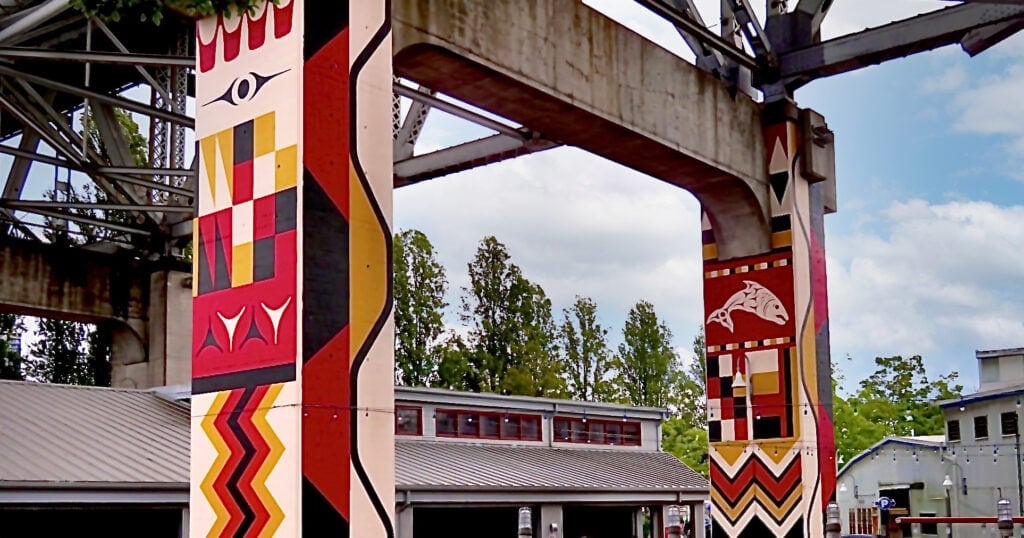
Indigenous arts and crafts are a reflection of the sophistication, diversity, and resilience of Indigenous cultures. Support an Indigenous artist in your area by purchasing or sharing their art. Artist Debra Sparrow, featured in our image from Granville Island, combines textile and Salish designs in a contemporary way through geometric, hand spun blankets and hangings.
Speak up when you hear someone making derogatory remarks about Indigenous people.
You don’t have to remain silent when witnessing racial attacks. Bystander training helps bystanders understand how they can safely interrupt harmful situations and encourage more positive actions by others. This guide is an excellent resource on how to safely be a supportive bystander, following the 5 Ds: Distract, Delegate, Delay, Direct, and Document.
Donate sports equipment to remote Indigenous communities.
An Ontario based organization collects hockey equipment and sticks to provide First Nations kids and families access to Canada's favourite game of hockey.
Listen and learn from an elder.
The West Vancouver Memorial Library has launched a series of phone-in storytelling events featuring elders from the Squamish Nation.‘Dial-a-Story: Indigenous Storytelling by Squamish Elders,’ will run every Wednesday this month.
Take part in an educational walking tour.
If you live or visit the Ottawa region, see the resting place of Dr. PH Bryce (Dr. Bryce is most remembered for his efforts to improve the health and living conditions of Indigenous people), and take part in a free educational tour that focuses on those who were involved with the Indigenous Community.
Support Indigenous tourism.
Travelling to Indigenous regions provides opportunities to learn about Indigenous cultures, contribute to vibrant, healthy Indigenous economies and communities, and gain intimate experiences that deepen your connection to people, land, and wildlife. Visit Indigenous BC for more information.
Support positive change.
We are hopeful that through gaining knowledge and wisdom of Indigenous people, our communities can rebuild trust and thrive together.
If you're interested in learning more about how we're developing ways to build a more equitable workplace please read our article on our inclusive and anti-racism initiatives.
Legal Aid BC (LABC) provides a range of services that help low income families resolve their legal problems. These services include serious family, child protection, criminal law, and immigration matters. Previously, LABC partnered with OXD to support projects to improve the delivery of public legal education and information. So, we were thrilled to partner with them again to help identify opportunities to better support the needs of their clients. The project aims to increase accessibility for diverse communities and provide flexible options in the applicant intake process for legal aid.
Developing a deep understanding of Legal Aid BC users and stakeholders required multidisciplinary thinking.
This discovery project sought to understand all of LABC’s users and stakeholders, with the goal of modernizing the legal aid intake process. We were able to uncover critical insights based on users’ expressed needs and interests—framed around their input through workshops and testing at every stage of the development process. The broad and diverse range of feedback came from participants across BC and included LABC clients, Frontline workers, Indigenous People, Native Courtworkers, lawyers, and other stakeholders and partner organizations. We also reached out to other similar service providers across the globe for insight into their intake processes and technologies.
We assembled dozens of user-centred design recommendations to make online intake a reality.
Our research generated 1,131 insights that highlighted gaps in the intake process, could improve feelings of safety and wellbeing, shaped the design of a prototype for the online client intake form, and improved the overall client experience.
We will help Legal Aid BC meet users where they are, in their spaces, and in the manner of their choosing.
We want to help LABC meet users where they are by increasing accessibility services. The intake process addresses safety features so applicants can feel safer applying in their own spaces and in the manner of their choosing. A new client portal will provide better support and resources for legal aid applicants while improving internal efficiencies for LABC.
We’re proud to have helped LABC reimagine their service model and ensure equal access to justice for all family law applicants.
Learn more about our discovery process on other projects by reading ourOnline Divorce Assistant Applicationcase study, which talks about our work with the Ministry of the Attorney General of British Columbia.
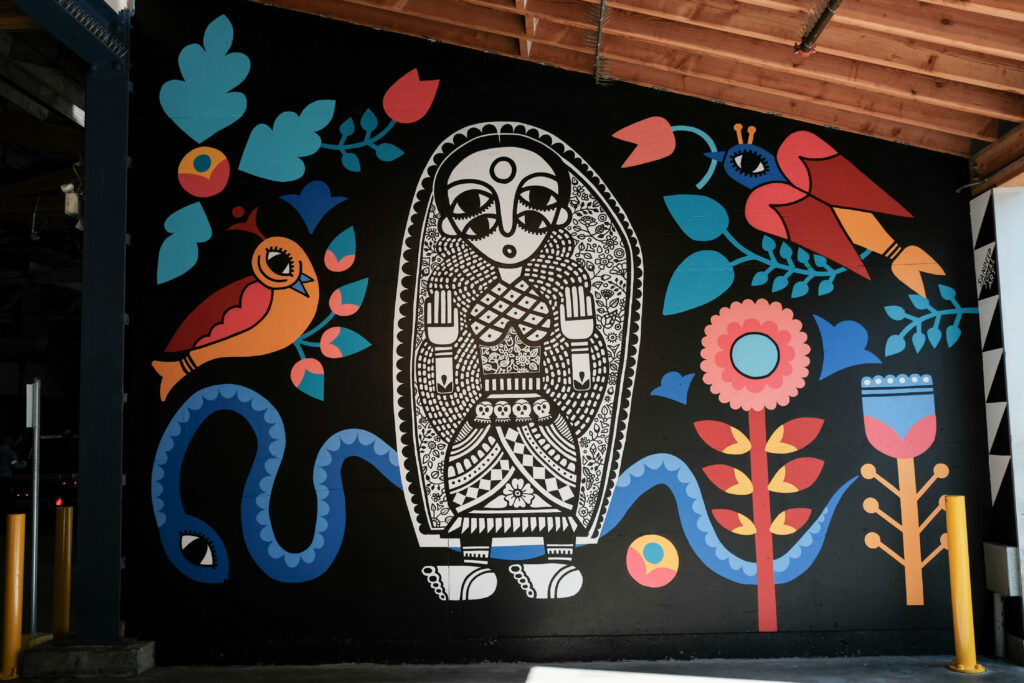
"Raise Your Words, Not Your Voice" mural by local South Asian artist Sandeep Johal.
In honour of Asian Heritage Month this May, we invite you to learn more about the history of Asian Canadians and celebrate their contributions to the prosperity of our communities. This post highlights only a few key events and people from the vast history of Asian immigrants in Vancouver, but we've introduced some ways to learn more, along with organizations to support this month and year-round. It's especially important to continue to recognize and stand with the Asian community given the reported rise in racism and xenophobia in BC, and around the world.
A brief history of Chinese and Japanese populations in our area
1885
Many Chinese people immigrated to Canada to help work on the Canadian Pacific Railway (CPR). Some also came to work on farms, open stores, and take part in logging operations in BC and throughout Canada. Upon completion of the CPR in 1885, the federal government immediately passed the Chinese Immigration Act. This stated that every person of Chinese origin immigrating to Canada had to pay a "head tax" fee of $50. In 1900, the head tax increased to $100, then in 1903 it went up to $500 per person. Approximately 81,000 Chinese immigrants paid the head tax to the government between 1885 and 1923.
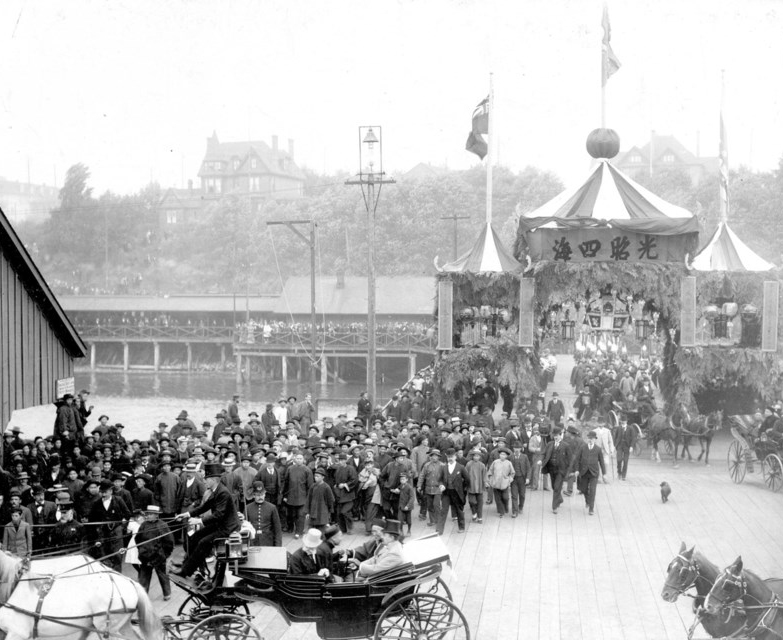
In the carriage: Li Hung Chang, H.H. Abott, Mayor Collins and Chief Constable Ward. Photo by City of Vancouver Archives.
The above image shows the welcoming of local Chinese statesman Li Hung Zhang of the Qing Dynasty at the CPR dock in 1896. His visit was requested by the Chinese people in an attempt to negotiate a reduction in the head tax to enter Canada. Despite efforts, the head tax remained and another devastating Act passed in 1923—the Chinese Exclusion Act. This Act banned all Chinese immigration—completely crushing the Chinese community in Canada. In fact, it still remained difficult for Chinese to enter Canada, even up until 1967 when Canada overhauled the immigration system.
1887
Imagine you're one of the 24 Chinese immigrants arriving in Vancouver from Victoria, when an angry mob of 300-400 white people attack your camp. To escape, you jump into the hypothermia-inducing ocean water, or run away from your home to try and find cover. But when the attack doesn't satisfy the mob's quest, the mob continues to set fire to the Chinese owned and occupied buildings along Carrall Street. This is exactly what happened to Chinese immigrants when the mainland Anti-Chinese League heard rumour that hundreds had arrived in the Vancouver area.
1942
Or imagine what it would feel like, forced from your West Vancouver home and thrown into a government camp because you were Japanese and seen as a threat by association. This is what the federal government did, due to fear of being the next in line for attack from the Japanese after Pearl Harbour. More than 8,000 Japanese Canadian citizens were "processed" at Hastings Park and moved to internment camps throughout the interior and the east. The government confiscated over 1,300 of their fishing boats. They also took their businesses and possessions including their homes, cameras, and radios. The government closed down Japanese language schools, suppressed newspapers, and kicked Japanese-born students out of UBC. To add insult, they even turned off the light on the Stanley Park monument recognizing Japanese Canadians who fought during World War I.
1949
Four years after the Second World War ended, Parliament gave Japanese Canadians back the right to vote in federal elections. Today, organizations like The National Association of Japanese Canadians honour the sacrifices of the Issei and Nisei generations by encouraging the youth and community members to vote—keeping their rights safe.
1988
The federal government and Prime Minister Brian Mulroney formally apologize for past injustices to Japanese Canadian survivors and their families. 22,000 Japanese Canadians were uprooted from their homes and sent away to camps during the Second World War.
We cannot change the past. But we must, as a nation, have the courage to face up to these historical facts.
The Right Honourable Prime Minister Brian Mulroney (1988)
2014
It wasn't until May 2014 that Premier Christy Clark on behalf of the BC legislative assembly delivered a formal apology to Chinese Canadians for the historical wrongs committed by past provincial governments. Legacy initiatives to help British Columbians understand the impacts of the historical wrongs and the achievements of Chinese Canadians are now in place and include the identification of historic and culturally important locations. Vancouver’s Chinatown is one of the now recognized significant historical sites.
The entire legislative assembly acknowledges the perseverance of Chinese Canadians that was demonstrated with grace and dignity throughout our history while being oppressed by unfair and discriminatory historical laws.
South East Asia: Brunei, Cambodia, Indonesia, Lao PDR, Malaysia, Myanmar, Philippines, Singapore, Thailand, East Timor, Vietnam
South Asia: Bangladesh, Bhutan, India, Maldives, Nepal, Pakistan, Sri Lanka
Western Asia: Armenia, Azerbaijan, Bahrain, Cyprus, Georgia, Iran, Iraq, Israel, Jordan, Kuwait, Lebanon, Oman, Qatar, Saudi Arabia, State of Palestine, Syria, Turkey, United Arab Emirates, Yemen
Central Asia: Afghanistan, Kazakhstan, Turkmenistan, Uzbekistan, Tajikistan
Asian cultures are threads that are intricately woven into the fabric of our Nation's history. Asian populations should be acknowledged as equal contributors to the development of our communities and economy. There are many Asian-owned businesses in our neighbourhoods, we've only highlighted a few below, from the past and the present.
From cake mix to hammers...
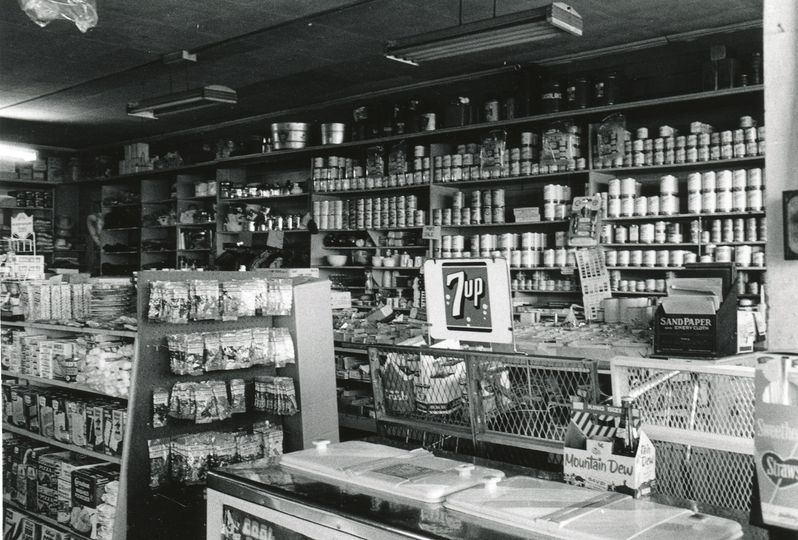
One of the great economical contributions to the area was the Hong Wo General Store, opened in 1895 on cannery row in Steveston. The salmon-canning industry was BC's second most valuable export by 1900. The growth of this industry had grown due in large part because of Chinese labour. The General Store was integral to providing essentials to the cannery workers like fresh produce, meat, hygienic supplies, clothing, and hardware.
Hong Wo General Store which operated from 1895 to 1971. Photo from City of Vancouver Archives.
Health, education, and funding to support Chinese Canadians
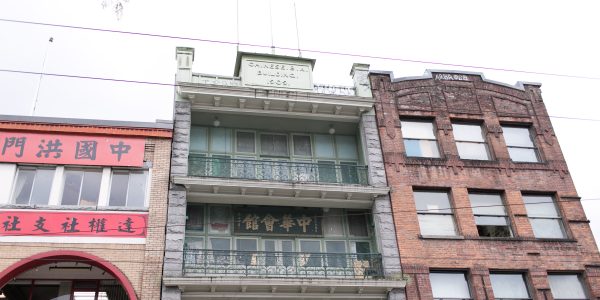
In 1889, the Chinese Benevolent Association of Vancouver (CBA) was informally established. They formally registered in 1906 with the British Columbia government. The organization not only supported fundraising efforts on behalf of local Chinese interests, but also provided health services when they opened a hospital in 1910 within the building, and educational services when the Chinese Public School became a tenant in 1917. These organizational initiatives illustrate the positive impact to support and protect fellow immigrants.
Chinese Benevolent Association historical building. Photo from Chinatown Societies.
The CBA has played a leading role in fund-raising for causes in China and as spokesman for local Chinese interests. It lobbied the government on many political and social matters, such as establishing burial rights for the early Chinese communities in Victoria and Vancouver, opposing the Head Tax, and successfully achieving the relaxation of the Immigration Act in 1956 which permitted Chinese-Canadians to bring their wives from China. Within the Chinatown community, the CBA was recognized for being impartial, which meant speaking on behalf of members regardless of surnames, birthplace, or political allegiances, and as such helped mediate and resolve conflicts among organizations.
Richmond Night Market
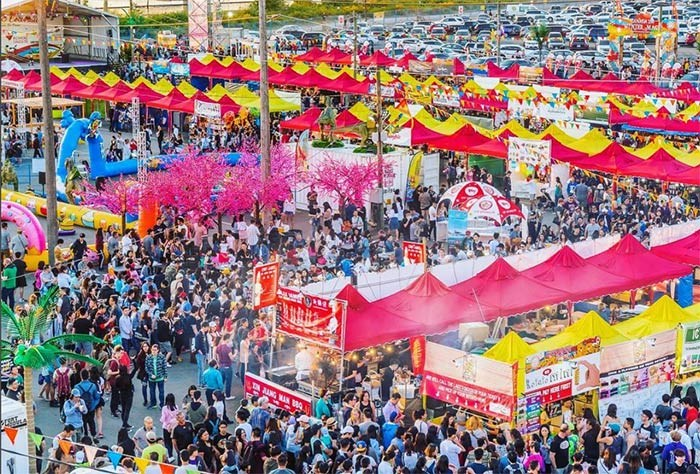
The Richmond Night Market, founded in 2000, is the largest of its kind in North America. Originally located at the Continental Centre, the market outgrew its space and moved to Richmond. The market attracts over 1 million visitors from around the world each year. Founder Raymond Cheung incorporates entertainment and themes to the market each year. Previous themes include Return of the Dragon, Magical Candyland, and Pirates.
Richmond Night Market photo from Vancouver is Awesome.
Though it's reopening is postponed due to the COVID-19 pandemic, you can check for the latest updates on their website. In the meantime, take a virtual scroll through images of the past markets and all the delicious and interesting street foods on their Facebook page.
Tojo's
Tojo's restaurant has been serving up a modern, Japanese fine dining tradition for over 30 years. Japanese Canadian Chef Hidekazu Tojo, takes a distinct Pacific Northwest perspective to his dishes and only uses the finest seasonal, local, and organic ingredients. An interesting side note, Chef Tojo is credited for inventing the "California roll" and the "BC roll". Learn more and check out their menu.
Punjabi Market
In 1970, the Punjabi Market began to develop when Sucha Singh Claire opened Shaan Saaris. It became the first and largest South Asian Market in North America—housing over 300 shops along Main Street between East 48th and East 51st avenues.
Sucha Singh Claire, 82, on the block where he opened Shan Sharees and Drapery in 1970. Photo from The Tyee and taken by Christopher Cheung.
How you can participate and support local Asian organizations.
We've included a variety of ways to celebrate and honour Asian Heritage Month with links to videos, books, performances, art, and local organizations to support. Along with these resources, why not try a few local Asian restaurants for take-away this month. We polled our staff and included some of their favourites at the end of the article.
A seat at the table
Watch this insightful video by Professor Henry Yu, a member of the UBC History Department and Principal of St. John's College. Professor Yu presents an overview of the systemic discrimination experienced by Chinese immigrants to Canada. In this video, he mixes his own family's story with the broader history of Vancouver's, BC's and Canada's policies and regulations. Prof. Yu is a co-curator of "A Seat at the Table", an exhibit on Chinese-Canadian immigration which is on view at the Museum of Vancouver and in Chinatown until January 2022.
GEM (by CBC)
In 2020, CBC curated a collection of TV and film that honours the culturally diverse and rich heritage of Canadians of Asian origin with their GEM channel. Why not have an Asian watch party with your household this weekend?
Drawn together
In addition to the above, CBC celebrated the storytellers who have helped weave Asian culture into Canada's diverse tapestry by commissioning 31 portraits, one featured on each day of May.
Firehorse and Shadow
Immerse yourself in this performance May 1-31 by Dreamwalker Dance Company. Firehorse and Shadow "explores family lineage with a focus on the dualistic yin and yang elements expressed within the bodies, lives and choices of three generations of women".
Diversity in Filmmaking Virtual Panel Series (every Saturday in May)
The Vancouver Asian Film Festival has a virtual "Diversity in Filmmaking" panel series that explores how people of colour are impacting various aspects of filmmaking. The series is on Saturdays from May 9 to June 6, 2020.
Kathara Society
The Kathara Society includes "artists, community workers, retirees, students, professionals, multi-generational, multi-ethnic, Indigenous & non-Indigenous, first and second generation Filipinos & Canadians dedicated to greater social change, and the promotion of Pilipino Indigenous identity, arts, culture, & history".
Vancouver Japanese Language School and Japanese Hall
The Vancouver Japanese Language School and Japanese Hall (VJLS-JH), established in 1906,is a non-profit and community-based organization whose goal is to enrich intercultural understanding among not only their students, but also worldwide. They offer educational and event programming to support the understanding of Japanese language and culture and actively uphold the history of Vancouver’s Nikkei community.
In Their Words: The Story of BC Packers
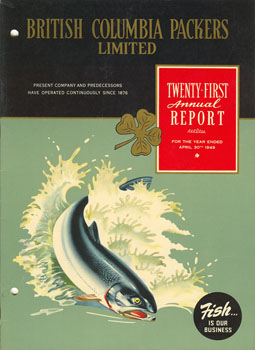
British Columbia Packers Limited (BC Packers) was once the largest fishing and fish processing company in British Columbia. Read stories about the Chinese, Japanese, and Sikh people, along with other heritages, that contributed to the success of the industry.
Photo from BC Packers: In Their Words
History of South Asians Timeline
Take a look at the timeline created by the South Asian Studies Institute highlighting historical events all the way from 1885 to 2017.
Artist Sandeep Johal
View not only the colourful aesthetic, but social injustice stories in the artwork of South Asian artist Sandeep Johal. Sandeep lives in Vancouver and has contributed to the many beautiful and powerful murals in our city. Her work often centres around the stories of women's resistance and resilience. Sandeep was gracious enough to allow us to feature her favourite piece in our article and our social media posts. "Raise Your Words, Not Your Voice", was created for ArtSmash on Granville Island in collaboration with Vancouver Mural Festival in 2018.
I painted it during the height of the #metoo movement thinking it was about speaking up and speaking out against violence perpetrated on woman by men but I realized it was also about taking up space—physical space in a world that teaches women to shrink—and what better way to do that than by painting a giant woman on a wall literally taking up space.
Sandeep Johal
Powell Street Festival Society (PSFS)
The PSFS helps cultivate Japanese Canadian arts and culture to connect communities and expand the narrative of broader displacement issues. The PSFS produces the Powell Street Festival (PSF) in Vancouver’s historic Japanese Canadian neighbourhood of Paueru Gai every year.
Meghan is partial to the Tajarin from Kissa Tanto, Liquid Tiramisu from DD Mau, and the CƠM BÒ LÚC LẮC THÊM HỘT GÀ - Filet Beef Luc Lac on Rice with Egg, or chicken wings from Phnom Penh
Jacqueline thinks the convenient frozen take-home Ramen options from Franklin Food Lab are yum
Muhammad’s picks are the Chow Mee Fen and Spicy Fried Noodle from Mezze, the Mongolian Beef from Dragon Wok, and the Chicken Seikh Kabab and Lamb Roast from Jamila’s Kitchen and Grill
Taking the time to learn about the history of the people in our country helps us to expand our understanding of and empathy for each other. All heritages are equal contributors to our Nation's culture and economy. That is what makes our communities both colourful and great. The usual Asian Heritage Month celebrations and street festivals may not be happening this year due to the pandemic, but we invite you to take part in the many other ways we've highlighted—including eating all the delicious food! Our focus is to continue the conversation on our inclusive and anti-racism initiatives. We stand with our colleagues and community members who identify as Asian Canadian.
At the time we were still in university—eating Mr. Noodles and living in basement suites. Our skills and experience were low, but so was the risk. Our motto in the early days was always “if this doesn’t work out, we can always get ‘real’ jobs”.
And it did work out. What began as an idea, triggered by the capabilities of the nascent internet industry has grown into an internationally recognized, award-winning digital services agency.
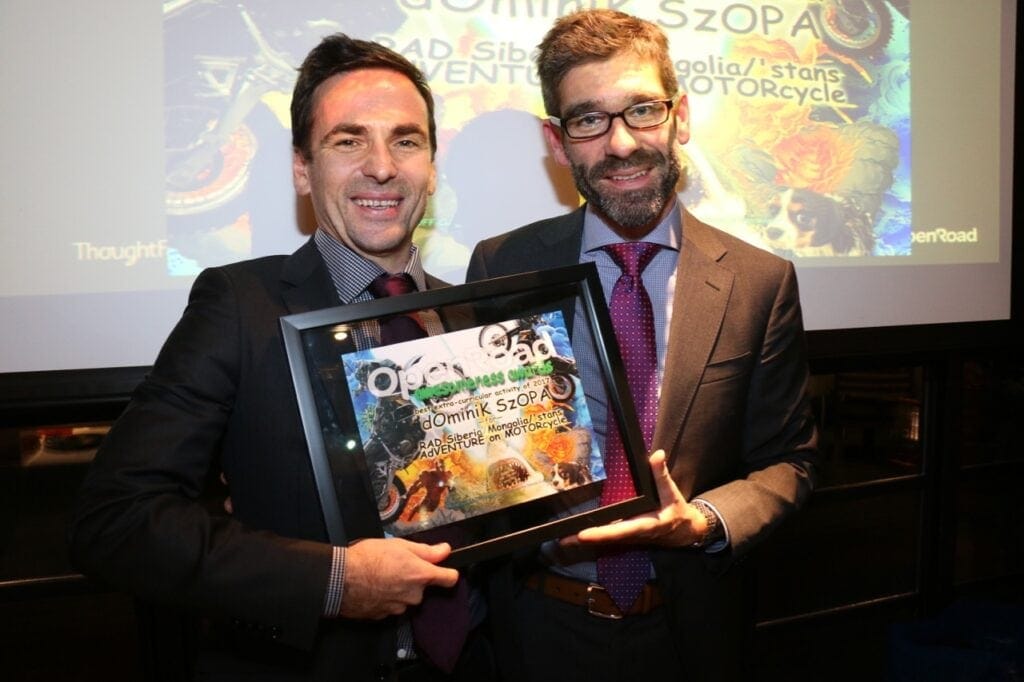
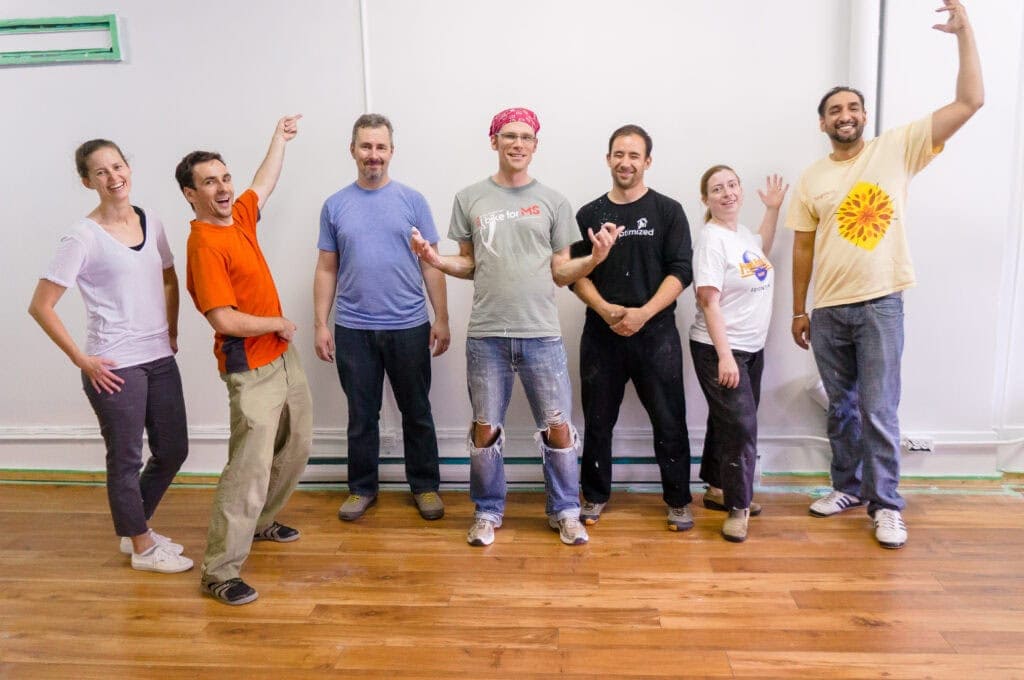
The understanding of human behaviour and how it relates to technology was the foundation for the birth of OpenRoad in 1996. Our passion for human-centred design made us one of the first agencies to use these methodologies to solve complex business problems.We've worked with hundreds of organizations in 25 years, written millions of lines of code, and interviewed thousands of people as part of our human-centred design process. Our work has been used by and (hopefully) impacted the lives of millions of people. We're grateful to have made it to 25 years and reflect on what it's all meant.
Here’s a few of the things that have brought us joy, laughter, tears, and pride over the last 25 years.
We helped build a diverse practitioner community.
We quickly recognized there was a vibrant community of professionals with a passion for user experience in the Vancouver area. In 2004, we partnered with other local practitioners to found the Vancouver User Experience Group (VanUE). VanUE continuously supports the community by bringing in recognized and influential speakers to discuss trends, challenges, and methodologies, as well as networking opportunities during their events.
With our partners, we also created the Vancouver User Experience Awards. The Van UX Awards have become a highly respected recognition platform in areas including commerce, product, student, and UX for Good. We’re grateful for our organizing sponsors and support from companies including Microsoft and Best Buy for past award sponsorships.
With membership now in the thousands, these groups share diverse perspectives, innovative research, and inspire real-world outcomes—making them an integral part of our UX community.
Just like a game of chess, we stayed one—even two—moves ahead.
What started out as a client project to support internal communications, became the opportunity for our team to turn the world of standard intranet products upside-down. In 2005, we launched ThoughtFarmer, an off-the-shelf intranet product. We put the power of internal communication into the hands of the employee and we’re proud to say it’s grown to become the heart of our clients’ hybrid workplaces.
In the spirit of providing our clients with the services they need, we quickly realized bringing on a creative team would help close the gap in our service offerings. So, in 2013 we acquired our long-time design partner Mod7. We knew that websites existed to bring an organization and their services to communities and consumers—from brand and aesthetic to analytics and compliance, and with this collaboration, we now could support it all. This partnership increased the scale and the impact of our work, leading us to become an end-to-end design and technology agency.
We took a (calculated) risk.
Since our 20 year anniversary, we’ve taken our biggest risk yet: a rebrand. Now that we had the resources and team we needed to provide better services and support to our clients, we knew we needed to evolve our brand to reflect that. We have always created value in the marketplace by being flexible and adapting to meet our clients’ unique needs. The time had come for us to adapt as well and to articulate our services in a new way. So, in 2019, OpenRoad became OXD. OXD is where past experience converges with new opportunities. The rebrand represented the story of our two decades of evolution while providing a dynamic identity system for the future.
I really like the new brand, it's vibrant and beautiful. Originally I thought the rename wasn't necessary and we should just stick to OpenRoad with a new logo and colours and website. Happy to admit I was wrong. I love it all now.
—OXD STAFF
I think we all hold our heads a bit higher with the rebrand, there’s more of a company pride, and rightfully so.
—OXD STAFF
In part with our rebrand efforts, we spent time telling our story on how we support modernization in organizations that can sometimes be slow to innovate. Our Design for Innovation mindset addresses increasingly complex social, environmental, and economic problems for clients including the Ministry of the Attorney General of British Columbia, and the federal government of Canada. We believe this mindset and our methods can improve how we live, work, and thrive in challenging times.
We flexed, swayed, and bent...but we never broke.
Post 2019 has brought a multitude of challenges to our world, which we’ve strived to take on with purpose and action.
We transitioned smoothly to a virtual work environment, we continue to grow our team, and we’ve adapted our services to our clients’ needs in the face of the COVID-19 pandemic—including remote project and research collaboration.
Government agencies have turned to us to help support their urgent digital transformation needs in the midst of a global pandemic. Archaic and paper-first processes now have to become digital, and fast. Our flexible and customized research and service design methods help shape and redefine new applications, new strategies, and new ways of thinking about their community and client needs.
Our world also experienced many social challenges in 2020 including a renewed and much needed spotlight on ongoing racial injustices. Over the years we had made progress on our diversity and inclusion work, but these world events gave our initiatives new urgency and focus. In May, the killing of George Floyd prompted us to amplify our anti-racism work initiatives. We began using our Agile methodologies to further evolve our anti-racist, diversity, and inclusion work initiatives. We committed to working in a transparent way with our staff, our clients, and our community on our ongoing progress.
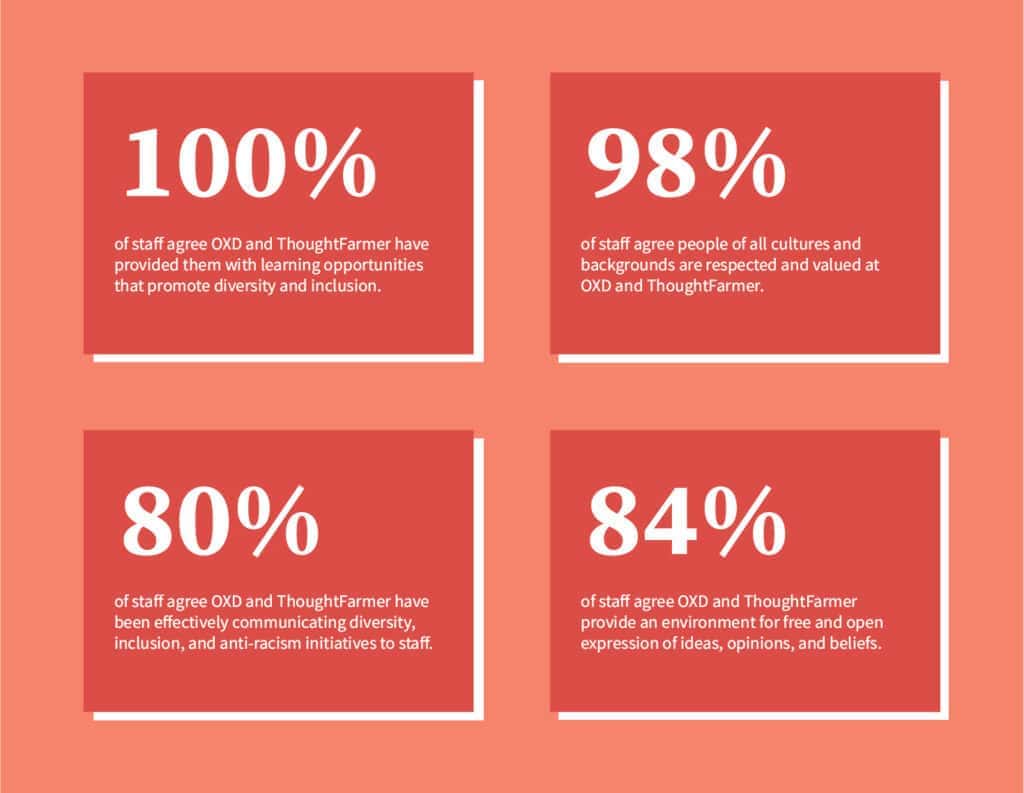
Partial results from our staff survey on our diversity, inclusion, and anti-racist work efforts.
I’d read the most recent Insight on your site about inclusion and anti-racism. The fact that you guys even wrote that and posted it, to me as a person of colour, I was impressed and really moved by it. There should be more companies able to publicly share these thoughts.
—JOB CANDIDATE
What’s ahead for us...
Though March 2021 marks 25 years of teamwork, partnerships, growth, and change—it also represents one year into the COVID-19 pandemic. As we reflect, we recognize and appreciate the way our team and our clients have adapted and embraced a virtual way of collaboration and connection. We’re grateful for enduring this challenge while innovating and thriving throughout it. Our hearts go out to all those who have suffered during this time.
As we head into the future, we will continue to help deliver accessible and inclusive digital services to governments and organizations, tackle large-scale problems of justice and equity, and keep working towards designing a better future.
To our clients—you brought us into your organizations, made us part of your teams, worked alongside us, and helped us change the way you do business. Sometimes quite radically so. You've listened to us talk about technology architectures and human-centred design. You cared about the project philosophies and methods that we've spent the last 20 years thinking about, refining, and working to make better with each project. You've challenged us, held us accountable, and kicked our asses on more than one occasion—and we've learned from that too.
—GORDON ROSS, VICE PRESIDENT AND PARTNER, OXD
We’re grateful for our clients, friends, and family. To our staff who have stayed with us for 25 years and the long haul, to past employees who have helped shape our history, and to the newest additions to our team, thank you for supporting us along our journey. Here’s to the next 25 years and beyond!
Learn more about our project work or contact us if you have a project you’re excited to talk to us about.
OXD has been contracted to apply design and qualitative research methods to uncover key business insights about the San Francisco Bay Area’s public transit fare policies across the region’s 27 transit operators, including BART, SFMTA, and AC Transit. The San Francisco Bay Area is home to nearly eight million people and before the COVID-19 pandemic over 1.7 million trips were taken on public transit each weekday.
OXD has been hired to help better understand barriers related to fares and the user experience of transit in the Bay Area. Our research work is supporting:
developing goals for the regional fare system that will support an improved user experience, increased transit ridership, and build on robust public outreach;
identifying barriers related to fares and the user experience—especially those that are impeding increased ridership;
identifying opportunities to increase transit ridership by improving the regional fare system through regional fare coordination and integration strategies; and
developing a detailed implementation plan, including funding plan, for recommended improvements.
By uncovering these barriers, we can design and implement a better, and more fair and equitable fare policy that overcomes them and increases ridership.
Our periodic Design for Policy email newsletter shares new resources and trends that help bridge the gap between policy making and implementation. Subscribe now.
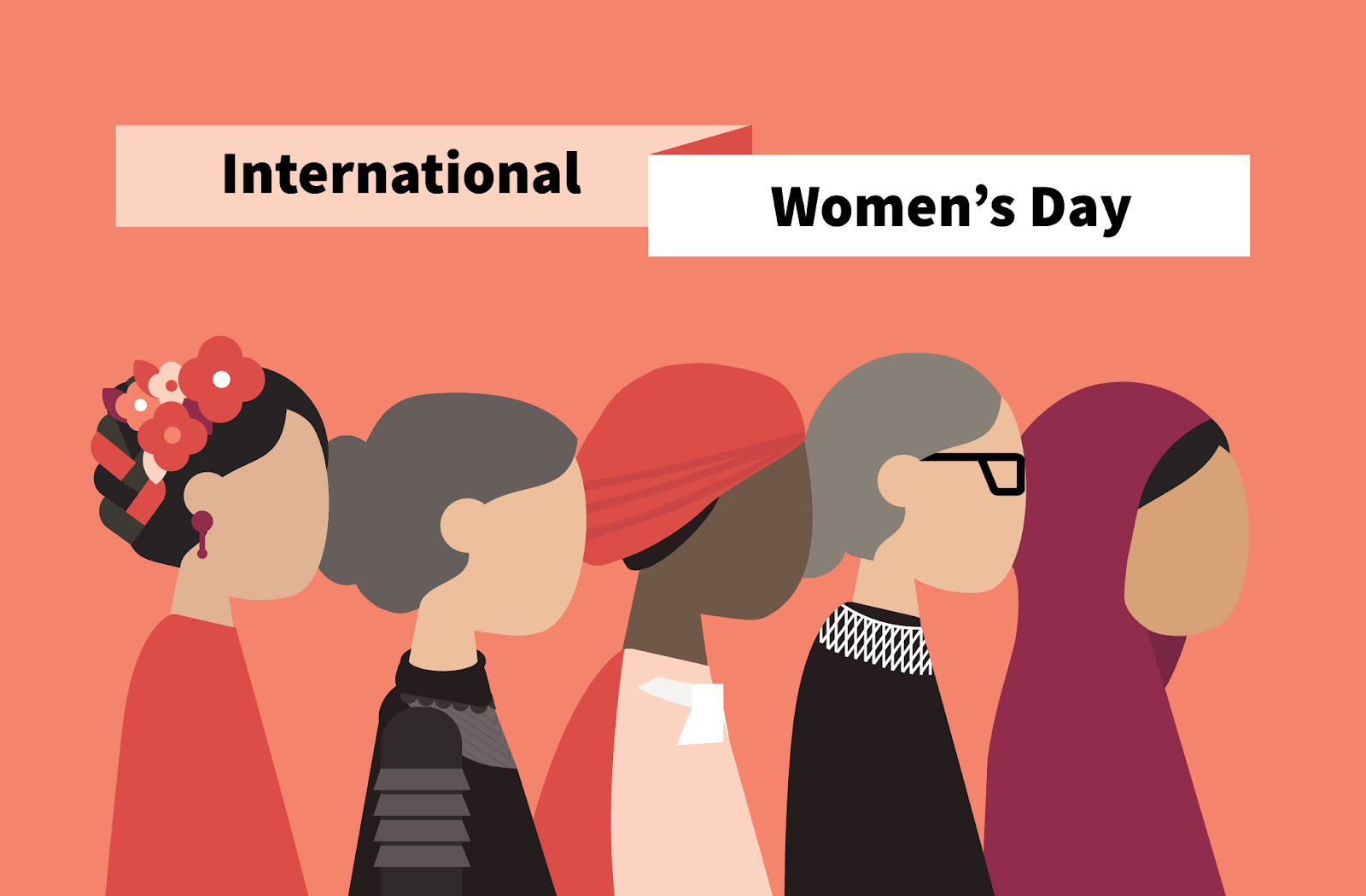
Some of you may recognize the five famous international women featured in our illustration who have helped change history. These women are, from left to right:
Frida Khalo, a painter known for her many portraits, self-portraits, and works inspired by the nature and artifacts of Mexico.
Marie Curie, a physicist and chemist who conducted pioneering research on radioactivity.
Harriet Tubman, an abolitionist and political activist who escaped slavery and helped rescue enslaved people via the Underground Railroad.
Ruth Ginsburg, a lawyer, jurist, and feminist icon who served as an associate justice of the US Supreme Court for over 25 years.
Malala Yousafzai (Malala), a Pakistani activist for female education and the youngest Nobel Prize laureate.
And in honour of International Women’s Day 2021 and Women’s History month during March, we’d also like to recognize some of the women—maybe lesser known but no less inspiring—who’ve helped shape and form the fields of design. Our history predominantly favours recognizing male-dominated designers, but the facts show that women have—and continue to—make up half of the design industry. That being said, there are troubling statistics that only 11% of design leadership positions are held by women—even today—according to the 2019 Design Census.
By bringing light to these women and their experiences, we hope to inspire you to take a closer look at, and recognize the achievements of, the creative women who’ve come before us and work alongside us.
Our featured women in design
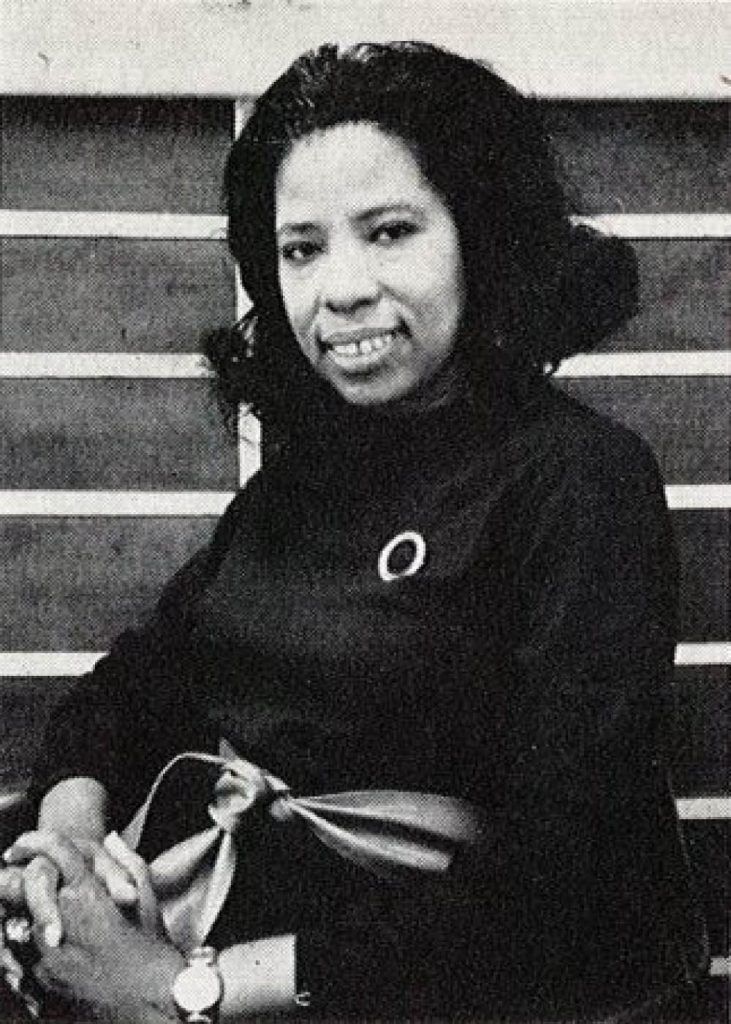
Dorothy Hayes
“You can’t get around being a woman. They’re going to see it the moment you walk in the door, and they’re going to have to go through their man thing with you, the idea that you’re theirs, that you’ll do whatever they say, like an office wife. It’s beautiful, though: if you present yourself as a professional, they really respect you for it. They know you’ve paid your dues just like they had to.”
Dorothy Hayes began her career in graphic design after graduating in 1957. After relocating to New York City, she started her own commercial design agency called Dorothy's Door. One of her best known works, in partnership with Joyce Hopkins, "Black Artist in Graphic Communication", was an exhibit showcasing forty-nine black graphic designers including Dorothy Akubuiro, Josephine Jones, and Diane Dillion. The exhibit was highly regarded by both US and Canadian audiences. She invested her time into supporting Black creatives in a predominantly white and male industry.
We love how Hayes took a vow in her lifetime to mentor any and all Black creatives that came to her for advice or information about the design and art industry.
Photo courtesy of Women of Graphic Design
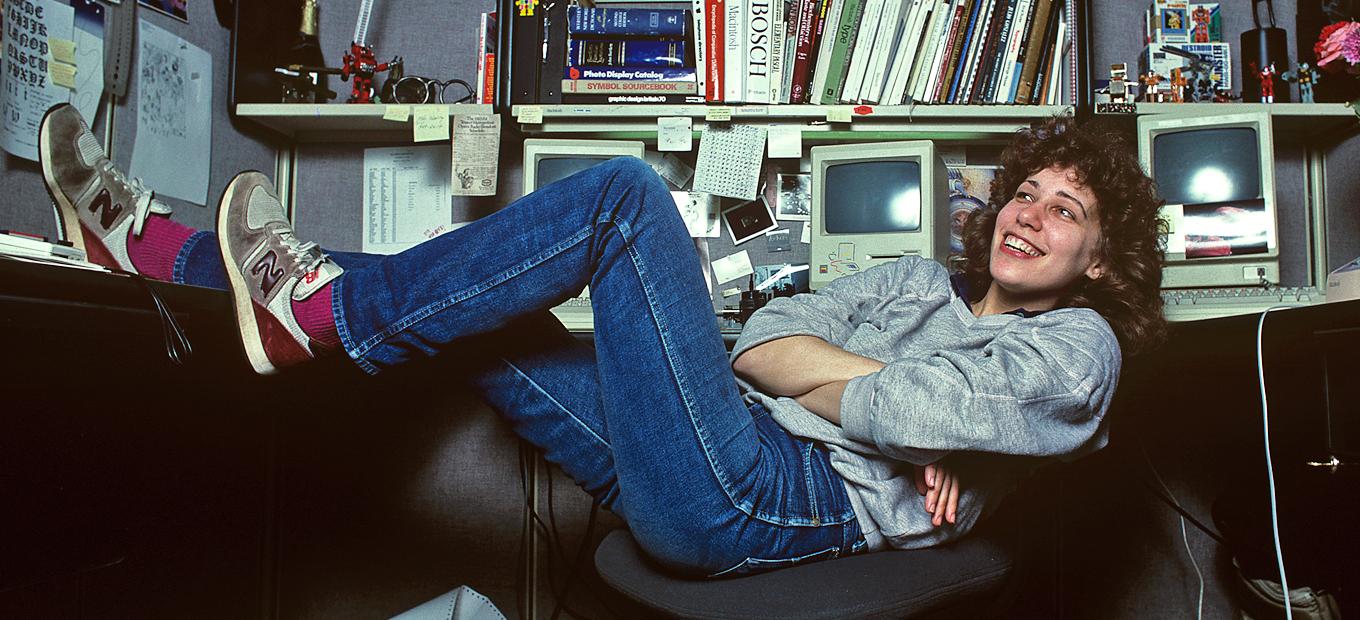
Susan Kare
“He showed me a very rudimentary Macintosh, and mentioned that he needed some graphics for it—he knew I was interested in art and graphics—and that if I got some graph paper I could make small images out of the squares, he could transfer those onto the computer screen. That sounded to me like a great project. I did it in exchange for an Apple II, although I didn't actually use the Apple II for Mac graphics.”
Susan Kare was a Fine Arts major and worked as a sculptor in her early career. She later found herself working for Microsoft because her friend Andy Hertzfeld—a member of the first Apple Macintosh development team—believed in her artistic abilities. He invited her to draw an icon suite and font elements for Apple, and using her traditional designs he could then develop the code. Kare didn’t have any technical computer graphics experience, but that didn’t stop her. She started with traditional illustration mockups on graph paper—each grid square representing a pixel. Kare worked alongside Steve Jobs to design the Mac and make it the most user-friendly computer in the world. Her main mission was to “make the system as close to a friend as it could be”.
We think Kare is a great example of adapting not only traditional design, but also taking a human-first mindset and applying it towards digital user outcomes.
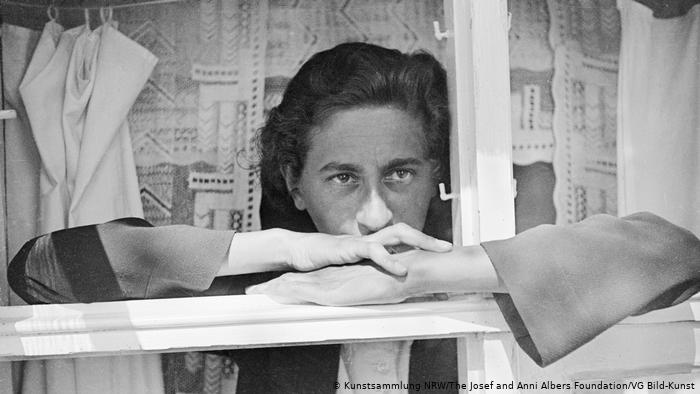
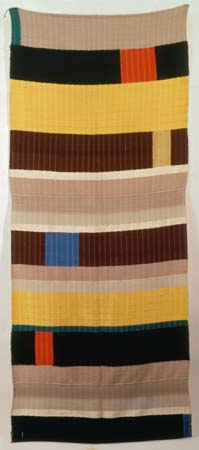
“I was told that there wasn't a chance to get into that [stained glass] workshop because there were so very few chances to execute a stained glass window. And there was one man that was already there; that was all. So the only thing that was open to me was the weaving workshop. And I thought that was rather sissy.”
Annelise Albers was a student of Bauhaus fine art college in Germany, who shaped her career as a textile designer. In 1949, Albers had a solo exhibition at the Museum of Modern Art in New York City—making her the first textile designer to ever have a solo exhibit. This exhibit established her as one of the most important designers of the day. In her career, she was commissioned to design a variety of bedspreads and other textiles for Harvard, and spent most of the 1950s working on mass-producible fabric patterns, as well as writing several articles on designing. In 1971, she and her husband Josef Albers (another prominent Bauhaus designer), founded The Josef and Anni Albers Foundation, a not-for-profit organization they hoped would further "the revelation and evocation of vision through art”.
We appreciate how Albers took a chance in her art and design career by working with the tools and mediums that were available to her—despite the constraints—to create ground-breaking work in the Bauhaus movement and beyond.
“For better or worse, the people who design the touchpoints of society determine who can participate and who’s left out. Often unwittingly. A cycle of exclusion permeates our society. It hinders economic growth and undermines business success. It harms our collective and individual well-being. Design shapes our ability to access, participate in, and contribute to the world.”
Kat Holmes, Mismatch: How Inclusion Shapes Design, 2018
Photo courtesy of katholmesdesign.com
Kat Holmes has become a leader and strong voice in the field of designing for inclusivity. She is the author of Mismatch: How Inclusion Shapes Design, and the former Principal Director of Inclusive Design at Microsoft. Holmes previously led a multi-disciplinary team in the development of the Microsoft Inclusive Design Toolkit, which Fast Company described as a “radical evolution of design thinking and practices”. The toolkit was inducted into the Smithsonian Institution’s Cooper-Hewitt National Design Museum. She joined Google in 2018 where she continues to make advancements in inclusive design for some of the most influential technologies around the world. Holmes’ career achievements led her to found Mismatch.design, an online community dedicated to bringing awareness and advancing inclusive design.
Holmes’ core values of putting people at the lead of technology and having fun with your team and in your work resonate with us.
“Her applied learnings, expertise, and community impact have served as a basis from which we’ve built a lot of our own understanding about designing for inclusivity at OXD.”
Whether in our professional design work or our personal artistic endeavours, these are a few of the amazing examples of creative, innovative, and powerful women who’ve made a difference in our design culture. There are many more women who’ve created groundbreaking traditional and digital design that we haven’t mentioned—but we hope we can contribute to changing the narrative on the inequalities of women in design leadership.
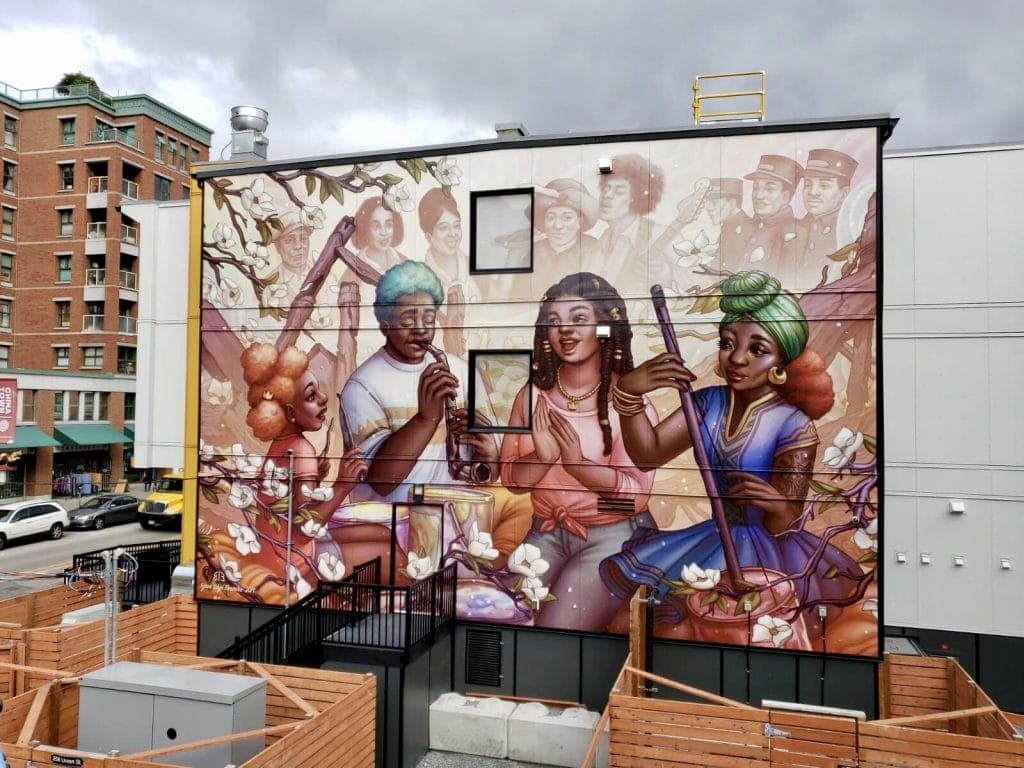
Hogan’s Alley was a popular neighbourhood for Black Canadians in the first half of the 20th century. It’s steps away from the OXD Gastown office in Vancouver, and has a unique—and fairly unknown—history.
The alley ran between Union and Prior Streets from approximately Main Street to Jackson Avenue. Many of its residents worked as porters at the nearby Great Northern Railway Station at Terminal and Main.
Artwork by Ejiwa "Edge" Ebenebe, ArtOfEdge.com Mural Site is located at 258 Union St, Vancouver, BC V6A 3A1, Canada Photo courtesy of UnoDigital.com
At its height in the 1940s, the Black population in the Strathcona region (where Hogan’s Alley was located) was approximately 800 people and it was a popular destination for food and jazz. It was also one of the few places Black people could go in Vancouver to escape the racial segregation that was common in some of the surrounding areas.
The neighborhood was home to several speakeasies and restaurants such as Vie’s Chicken and Steak House, which was visited by the likes of Jimi Hendrix (whose mother was a cook there), Lena Horne, Sammy Davis Jr., and Louis Armstrong. Vie herself was born on Saltspring Island, from a BC family who were descendants of free Blacks from California.
By the 1960s urban renewal took over and most of the Hogan’s Alley neighbourhood was demolished to make room for a freeway network connecting the highway to downtown Vancouver. As with many communities, such projects were often forced through poor neighbourhoods where the citizens had little power to stop it. The project was never fully completed due to community protests led by local residents, but the viaduct still stands today and serves as a reminder of the Black residents that were forced out. Spend a few minutes watching this short film that shares more about this special history of Vancouver’s Hogan’s Alley.
Very little of Hogan's Alley is around today but its legacy lives on. The Hogan’s Alley Society is a non-profit organization composed of civil rights activists, business professionals, community organizations, artists, writers, and academics committed to bringing awareness to the presence of Black history in Vancouver, and throughout British Columbia.