We started OpenRoad in 1996 as Simon Fraser University students who were convinced people would pay to build websites. We coded HTML by hand, FTP’d straight into production, and thought 28.8k modems were a reasonable constraint to design around. We had almost no idea what we were doing.
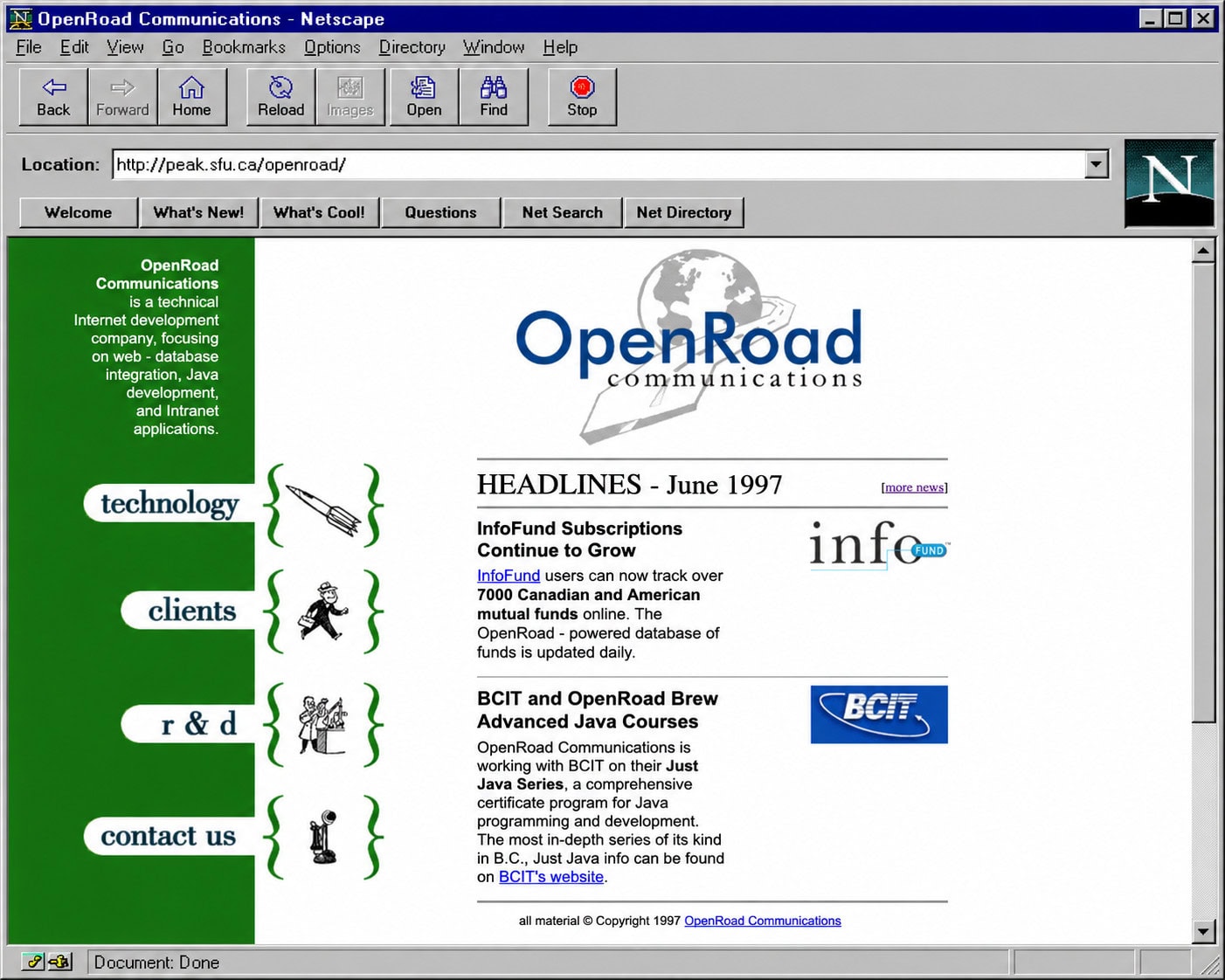
That turned out to be an advantage.
Thirty years is a long time in any industry, and an eternity in digital. We’ve seen the dot-com crash, the financial crisis, a global pandemic, and more technology cycles than we care to count. We’ve built websites, intranets, apps, and platforms. We’ve done services work and product work. We’ve grown slowly, failed at some things, and gotten a few things right.
Here’s what we actually learned.
1. Luck is preparation meeting opportunity
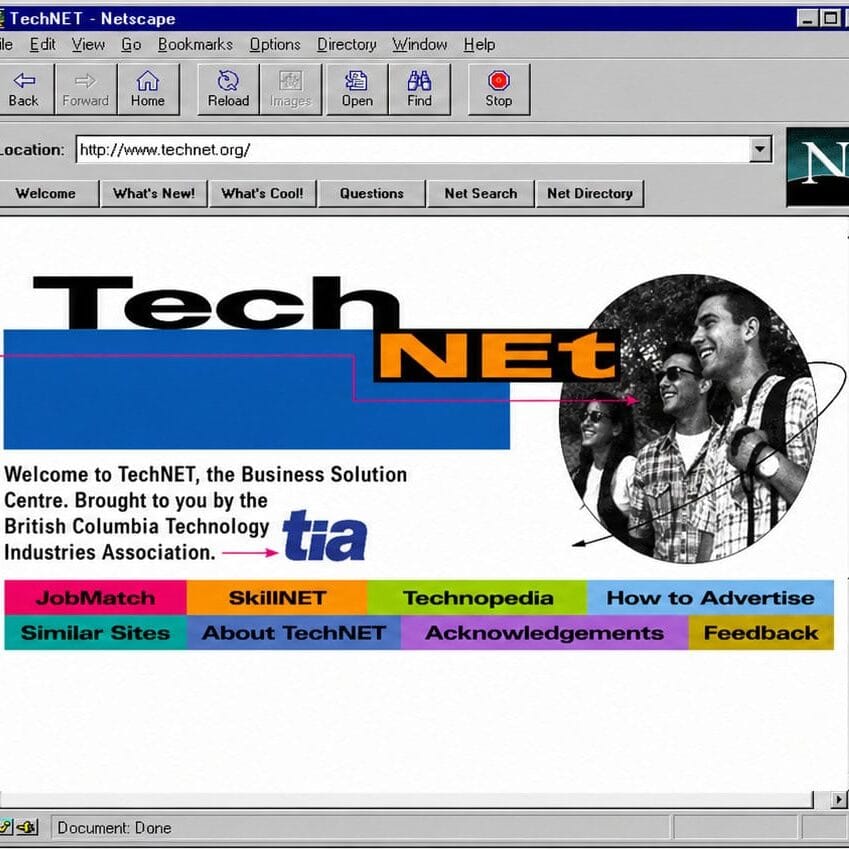
We didn’t totally stumble into this. We were designing and building websites in 1994 and 1995 when lots of people hadn’t heard about the Web or the Internet. When a key opportunity arrived, a partnership with a consulting company to build the BC TIA’s member database (now BC Tech), we were ready to do the project. We were as prepared as anyone was to build websites in the 90’s. And we took our shot.
2. Not knowing what you don’t know is a feature, not a bug
Our early work wouldn’t win any awards today. At the time, it pushed past what our clients thought was possible. We shipped things that more experienced people would have known better than to attempt. Every project, we tried to make the next thing a bit better. We call it relentless incrementalism: figure out what isn’t working, prioritize what matters most, fix it, move on. It’s how we built websites. It’s also how we built the business.
If we’d known in advance what it would actually take—the cash crunches, the market crashes, the pandemic—we almost certainly wouldn’t have started. You only get one shot at not knowing what you don’t know.
3. Cash is key
Warren Buffett is credited with saying cash is to a business what oxygen is to a person: When you have it, you don’t think about it; when you don’t, it’s all you can think about. We learned this the hard way during the dot-com years, and we’ve run the business accordingly ever since. Never let the runway get too short. Speaking of never…
4. Never build a product inside a services company. (Except when you should.)
We spent years watching other firms burn cash trying to launch products while running services businesses, and we swore we’d never do it. Then, in 2005, we quietly started building an intranet product out of two consulting projects with Intrawest and Vancouver Coastal Health. Within weeks, we had inbound interest from NESTA in London and IDEO in Palo Alto. Twenty-one years later, ThoughtFarmer is still going strong.
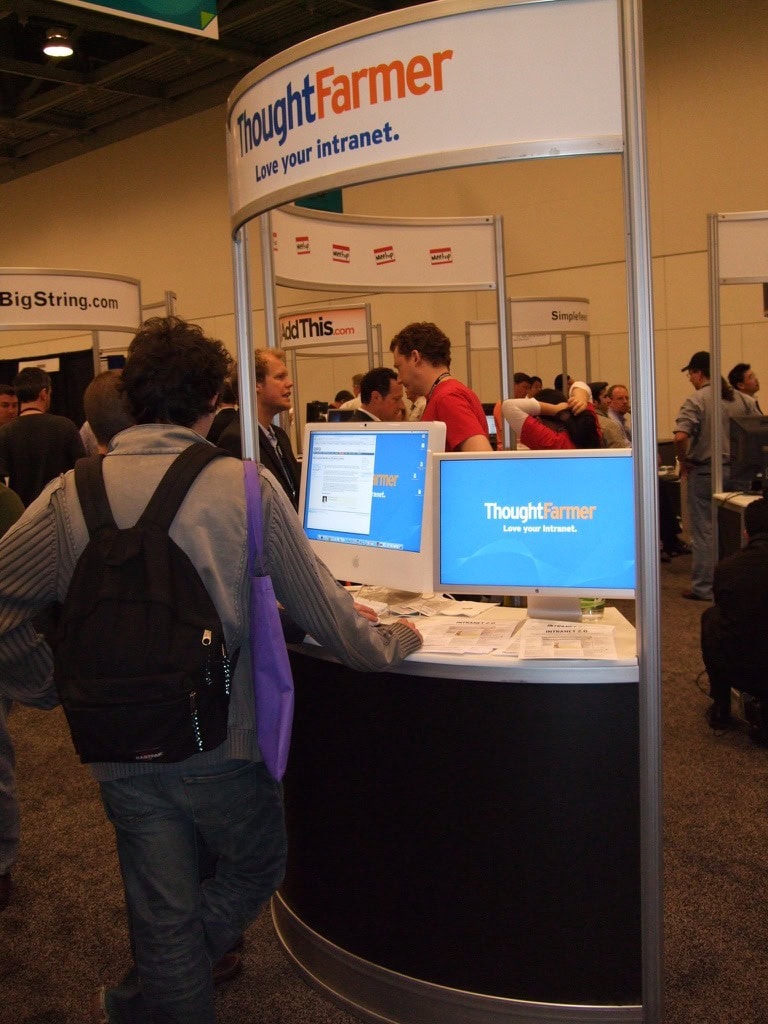
The real lesson isn’t “never do it”; it’s find a product that gets to revenue quickly. That discipline is what made it viable and what allowed it to become a profitable product.
5. Hire great people
This, when it comes down to it, is the whole game. Strategy, positioning, cash management—those create the conditions. In reality, the company is its people. It always has been. We’ve been fortunate to work alongside exceptional colleagues who made us smarter, carried things we couldn’t, and built things we didn’t even know needed building. Long tenures and low turnover. The average OXD employee has been with us nine years, the average ThoughtFarmer employee nearly seven years. The relationships we’ve built over thirty years are the business.
6. If you care about your customers, they will care about you in return
The clients and customers we’ve done our best work with share our values: they care about craft, they believe design and technology can solve real problems, and they treat their people well. That’s not a coincidence. We’ve always tried to ask ourselves whether what we’re recommending is actually the right thing for them. We’ve always tried to leave clients stronger than we found them, not dependent on us. That approach is what built our reputation, and our reputation is what got us here.
7. Community is infrastructure
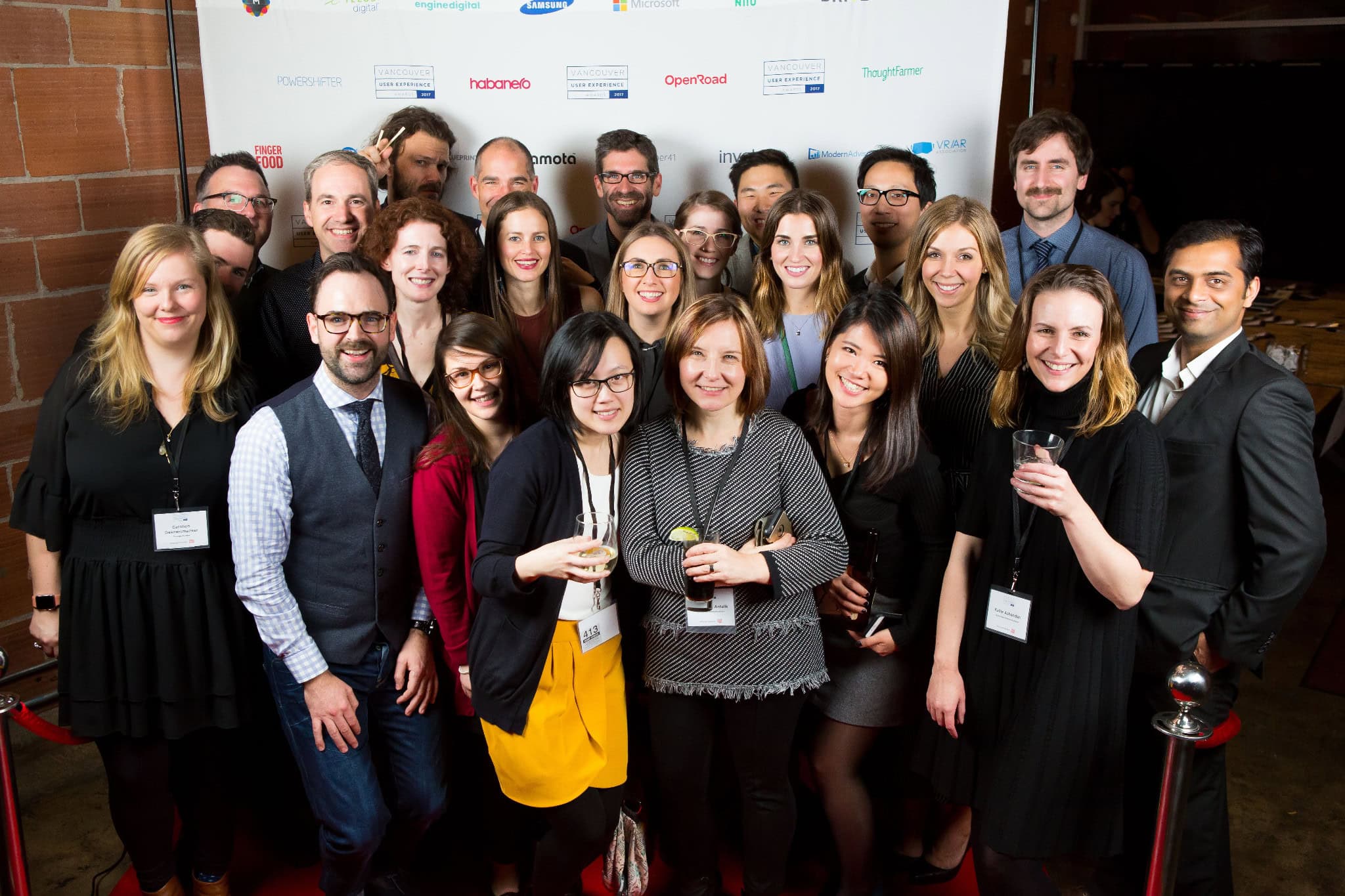
We’ve spent thirty years in Gastown. Three offices, all on the same few blocks. Relationships compound when you stay put. We’ve hosted events, given back to the neighbourhood, co-founded the Vancouver User Experience (VanUE) meetup (twenty-three years running), and shown up consistently for a long time. Community is built the way everything durable is built: incrementally, over years, by showing up.
8. Crises are accelerants
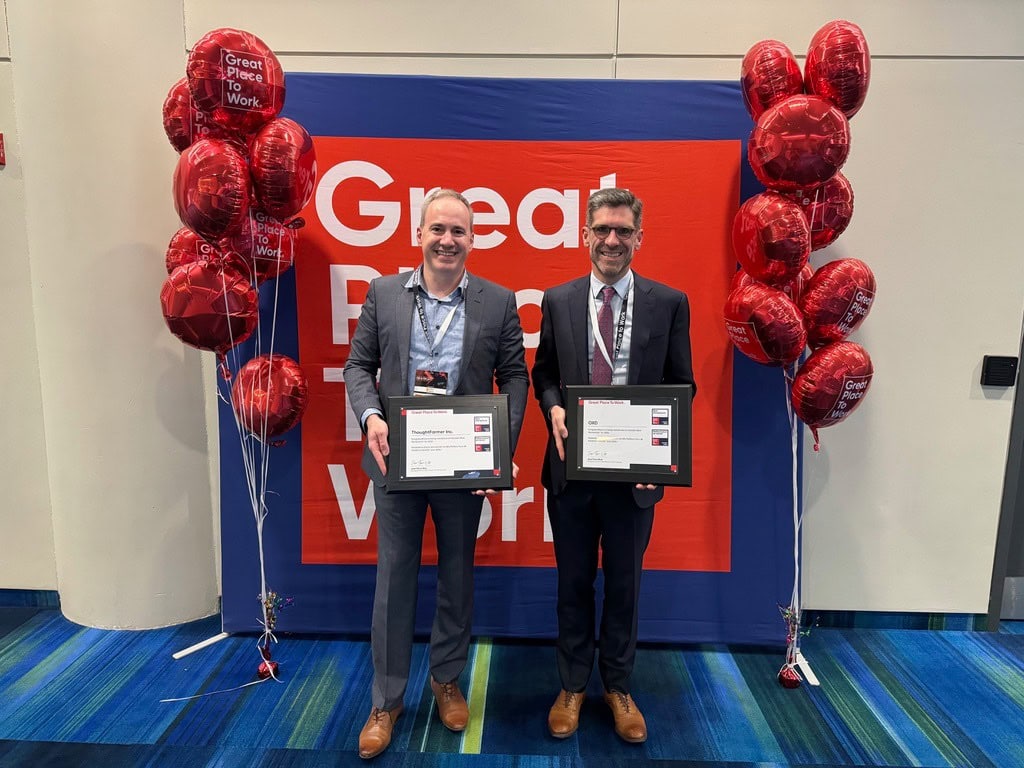
We survived the dot-com crash. The financial crisis. A global pandemic. Each time, we thought it might be the end. Each time, we came out faster, sharper, and clearer about who we are. The dot-com years gave us cash discipline. The financial crisis gave us focus. The pandemic period produced some of our best work, a significant revenue increase, and recognition for both companies as a Great Place to Work. Hard things have a way of clarifying what actually matters.
9. Running a company is an endurance sport
The goal was never to have a perfect year. The goal was to still be building, still improving, still surrounded by people we respect, ten years from now, and ten years after that. There’s a line about corporate longevity we discovered in reflecting on this milestone: survival is the ultimate performance measure.
Thirty years, and counting
We made it to thirty, and we marked the occasion with an evening of great people, good food, and thirty years’ worth of stories. See the photo highlights from our 30th anniversary celebration. Next stop, sixty!
Huge thanks to everyone who’s played a part in our journey over the decades. We couldn't have done this without you.
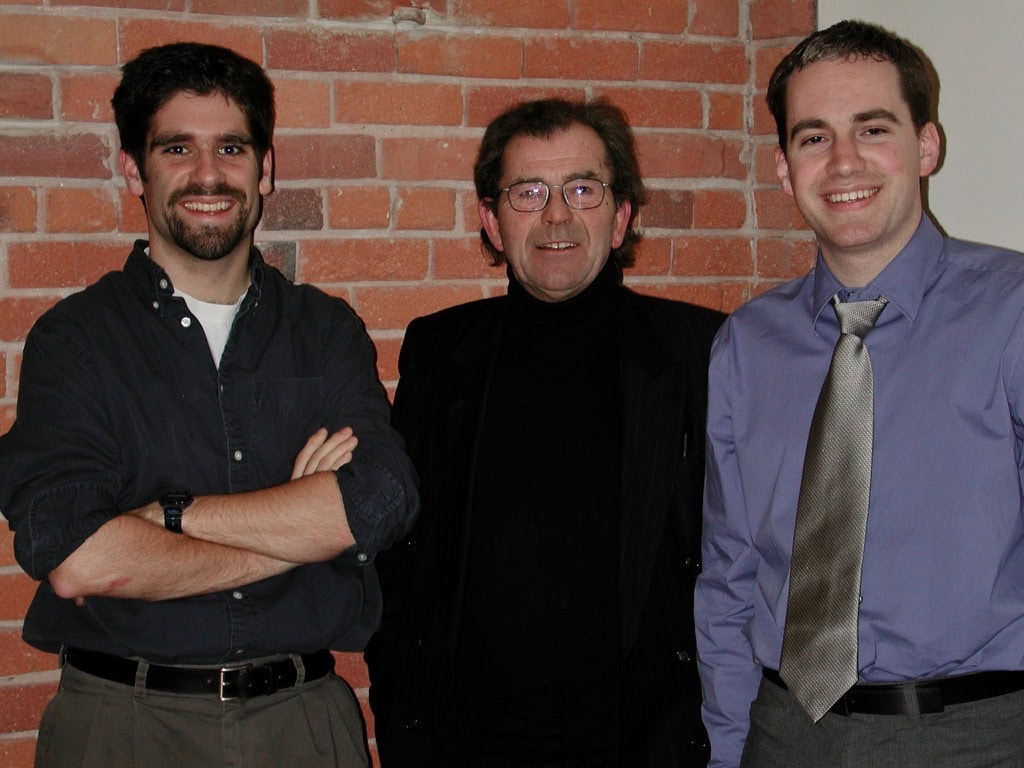
OpenRoad was incorporated in Vancouver in 1996, and ThoughtFarmer was launched in 2007. In 2017, we separated into two companies: OXD Consulting Ltd. and ThoughtFarmer Inc. Both are still headquartered in Gastown, and Gord and Darren still share an office 30 years later.